
Description
Linaria munbyana is a distinctive herbaceous plant belonging to the Plantaginaceae family. Within the horticultural landscape, this species is recognized for its unique, delicate appearance, making it a specialized choice for gardeners interested in Mediterranean flora and drought-tolerant plant species.
The plant originates from the Mediterranean region, specifically appearing in parts of North Africa. Its natural habitat includes arid, rocky, and sun-drenched environments. This geographical history is crucial for understanding its survival mechanisms and the environmental conditions it requires for optimal growth when cultivated in garden settings.
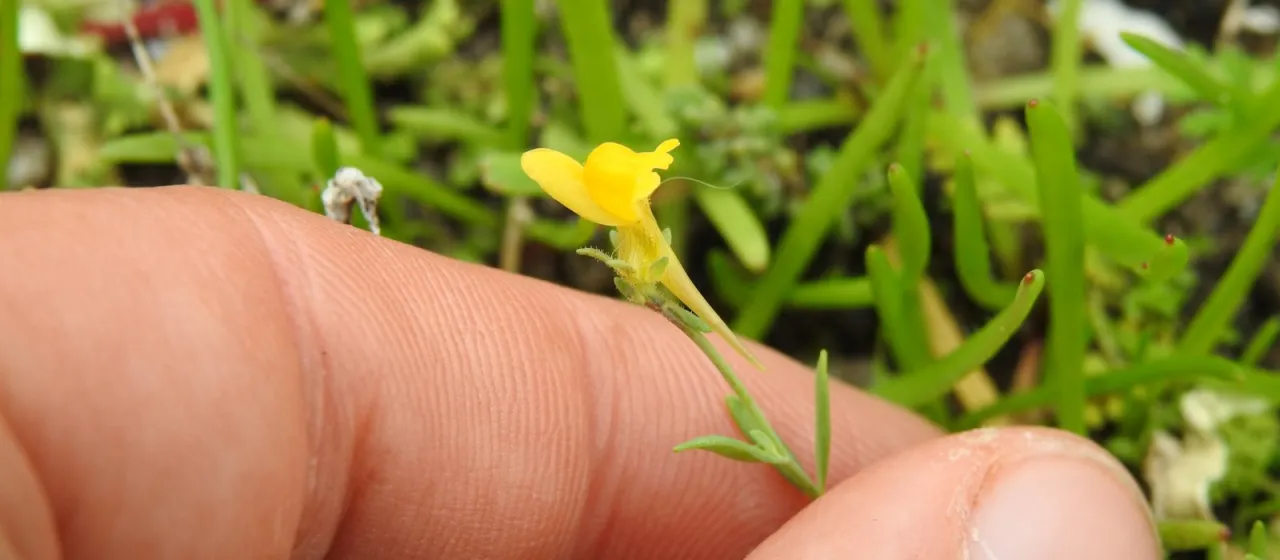
Botanically, this species is characterized by its slender, erect stems and fine, linear foliage. The inflorescences are terminal racemes composed of small, spurred flowers, a hallmark of the Linaria genus. The floral display typically exhibits a range of soft, attractive colors that add subtle elegance to any garden composition during the blooming season.
Agronomic requirements are focused on mimicking its natural habitat. The soil must be exceptionally well-drained, ideally sandy or gritty, to prevent root rot. Heavy clay soils are generally unsuitable without amendment. The plant thrives in full sun exposure, and its water requirements are minimal once the plant is established, as excessive moisture often leads to rapid decline.
In terms of usage, Linaria munbyana is primarily utilized in ornamental gardening, particularly in rock gardens or xeriscaping projects. While relatively resilient, growers should be vigilant regarding aphids and fungal pathogens associated with waterlogged soil. Proper air circulation and controlled irrigation are the most effective strategies for maintaining healthy plants.