
Description
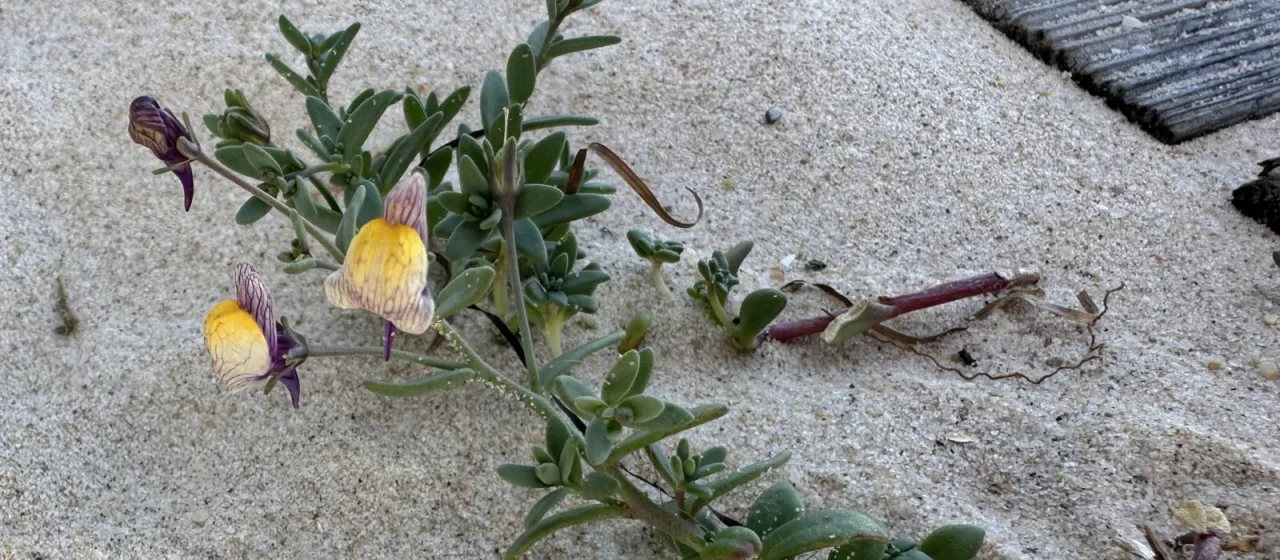
Pedunculate toadflax (Linaria pedunculata) is a herbaceous plant species within the Plantaginaceae family. It is known for its ability to thrive in harsh, sandy environments, making it a specialized subject for both botanical study and specific horticultural applications.
The plant originates from the Mediterranean basin, with its distribution centered primarily around the Iberian Peninsula and parts of North Africa. Its native habitat consists of open, sandy areas where it has evolved to complete its growth cycle during the cooler, wetter months of the year.
Botanically, it is characterized by thin, linear foliage and distinctively shaped flowers that possess a characteristic spur. This morphology is a survival strategy designed to minimize water loss through evaporation while remaining attractive to specific insect pollinators native to its geographical range.
Regarding cultivation, Linaria pedunculata requires minimal intervention, provided that the soil is exceptionally well-draining. Cultivators should avoid nitrogen-heavy fertilizers, as the plant is adapted to nutrient-poor soils; an excess of nutrients often results in weak, spindly growth rather than healthy foliage.
In terms of agricultural and horticultural use, this species is primarily utilized for ornamental purposes in xeriscaping or rock garden designs. Its compact nature and tolerance for poor soil conditions make it an excellent candidate for sustainable, low-maintenance landscapes in arid or semi-arid climates.
- Requires well-draining, sandy soil substrates.
- Prefers full sun exposure for optimal flowering.
- Sensitive to excessive moisture and heavy clay soils.
- Low requirement for supplemental fertilization.