
Description
Linaria polygalifolia is a perennial herbaceous plant belonging to the Plantaginaceae family. The species is native to Southwestern Europe, with a primary distribution concentrated on the Iberian Peninsula. It is well-adapted to specific ecological niches, particularly sandy and stony habitats, which define its biological resilience and growth patterns.
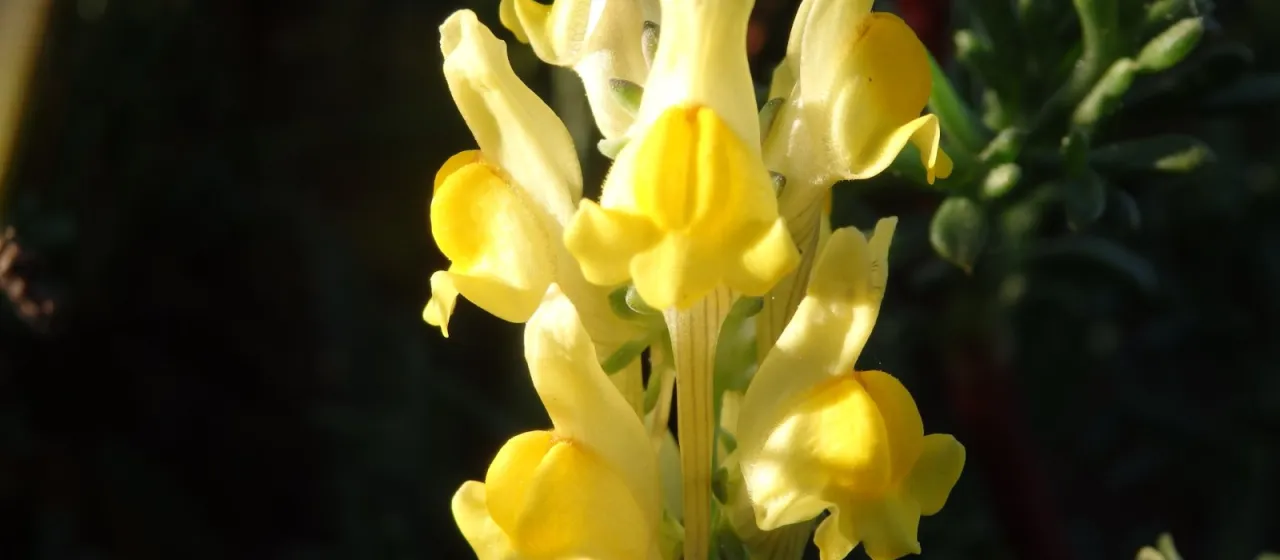
Botanically, this plant is characterized by a subshrub structure with erect or ascending stems densely populated by linear leaves. The inflorescences are terminal racemes bearing zygomorphic flowers, which exhibit a classic shape reminiscent of snapdragons. The floral color palette typically ranges from creamy yellow to pale yellow, often accented by vibrant spots on the lower lip.
In terms of climatic and environmental requirements, Linaria polygalifolia thrives in open, sunny exposures. It exhibits significant drought tolerance, allowing it to withstand prolonged dry spells that would prove fatal for less specialized species. Ideal soil conditions include well-draining, slightly acidic to neutral sandy soils; excessive moisture retention in the root zone is the primary limiting factor for successful cultivation.
Agronomic management focuses on the preparation of well-aerated substrates. Seeds are typically sown in early spring, either directly in the field or in greenhouse containers for subsequent transplanting. Maintenance requirements are relatively low, consisting primarily of weed control during the establishment phase and ensuring that the soil structure remains loose and well-drained throughout the growing season.
- High ornamental value for xeriscaping
- Excellent adaptability to nutrient-poor soils
- Strong tolerance to intense sunlight
- Minimal fertilization requirements for healthy growth
The economic and practical use of Linaria polygalifolia is predominantly found in decorative landscaping, particularly in the creation of rock gardens and naturalistic meadow designs. From a plant health perspective, the species is generally robust, although it can be susceptible to root pathogens under conditions of waterlogging and occasionally suffers from powdery mildew if airflow is restricted.