
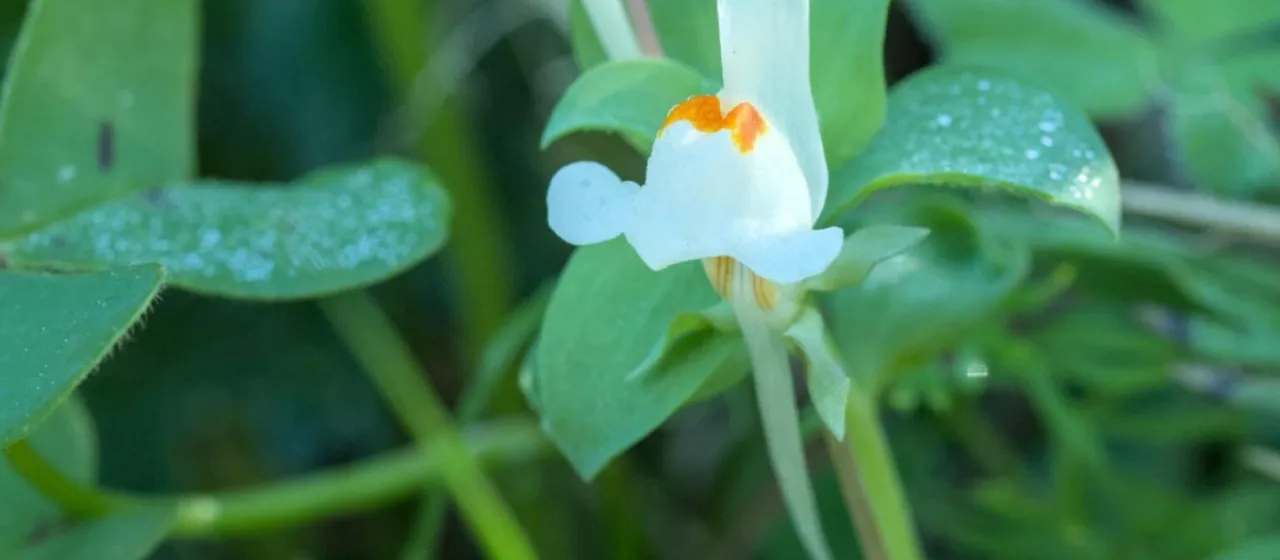
Description
Linaria reflexa is an annual herbaceous plant belonging to the Plantaginaceae family. While not a conventional staple crop, it serves as an interesting subject for botanical research and has potential value in niche pharmaceutical and ornamental sectors due to its unique growth cycle and secondary metabolites.
The origin of Linaria reflexa is rooted in the Mediterranean basin. Its natural distribution covers parts of Southern Europe and Northern Africa. It thrives in arid to semi-arid climates and is typically found in rocky or sandy substrates, demonstrating a high degree of ecological plasticity that allows it to survive in nutrient-poor environments.
The morphology of the plant is defined by its slender stems and narrow, linear leaves designed to reduce transpirational water loss. The inflorescences are characterized by distinct, spurred flowers often appearing in shades of yellow or violet. These structures facilitate specific pollination interactions, which are crucial for the reproductive success of the species in its natural habitat.
Agricultural requirements for Linaria reflexa are minimal compared to intensive crops. It demands well-draining, light-textured soils and high levels of sunlight. Over-fertilization is generally discouraged, as it can compromise the plant's structural integrity. Successful cultivation relies on site selection that mimics its native rocky, open environment.
The main challenges in cultivating this species include managing soil moisture, as the plant is highly susceptible to root pathogens if exposed to waterlogged conditions. Pest pressure is relatively low, likely due to chemical defense mechanisms inherent in the genus. With proper moisture control and appropriate site selection, it remains a stable and resilient botanical resource.