
Description
Creeping toadflax (Linaria repens) is a perennial herbaceous plant belonging to the Plantaginaceae family. In an agricultural context, it is considered a persistent and invasive weed, particularly problematic due to its extensive creeping rhizome system that allows it to rapidly colonize arable land, pastures, and garden areas.
Native to Western and Central Europe, this species has adapted to a wide range of temperate climates. It typically inhabits dry, open locations, such as roadsides, stony slopes, and disturbed soils. Due to its high level of ecological plasticity, it often becomes a significant problem in agricultural fields where soil management practices leave niches for invasive species to establish themselves.
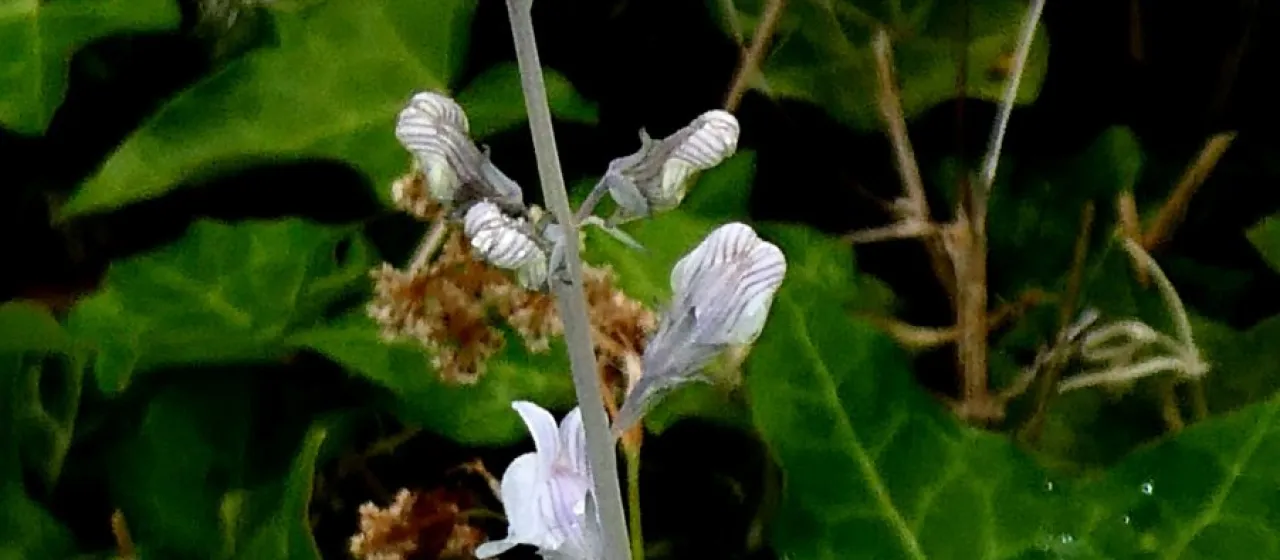
Botanically, the plant is characterized by slender, erect stems reaching heights of up to 60 cm and narrow, linear leaves. It produces small, white or pale violet-veined flowers with a distinct spur, which are arranged in loose racemes. The plant blooms from mid-summer through early autumn, producing numerous seeds that are easily dispersed by wind and water, further facilitating its spread.
The plant has minimal soil and climatic requirements, thriving in nutrient-poor and sandy soils where other crops might struggle. It is highly drought-tolerant, making it difficult to eliminate through water-stress-based competition. Its ability to regrow from small pieces of roots broken during tillage makes it particularly challenging to manage without specialized agricultural techniques.
Agricultural management of creeping toadflax focuses on eradication and preventing infestation. Key control strategies include:
- Mechanical control: repeated deep cultivation to exhaust the energy stored in the rhizomes.
- Chemical control: application of systemic herbicides during the active growth phase to reach the roots.
- Cultural control: maintaining healthy crop stands that shade out weed seedlings.
- Sanitation: ensuring farm machinery is cleaned to prevent the spread of rhizome fragments.
The plant is highly resilient and largely resistant to common agricultural pests and diseases, which contributes to its status as a competitive invasive species. While it may occasionally be host to generalist insects, it usually escapes significant damage from pathogens affecting standard crops. Effective management relies on a combination of persistent cultivation and targeted chemical intervention to break the regeneration cycle.