
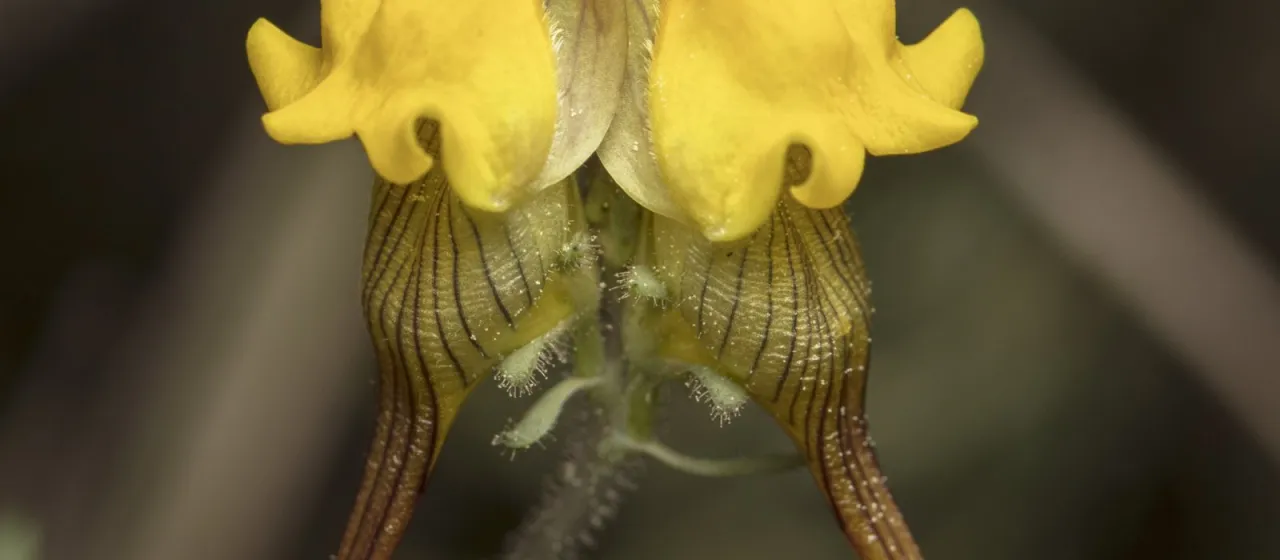
Description
Supine toadflax (Latin: Linaria supina) is a herbaceous plant belonging to the Plantaginaceae family. In an agronomic context, this species is recognized for its ornamental value and its ability to thrive in challenging environments, making it an excellent candidate for landscape restoration and decorative ground cover in arid or sandy conditions.
Originating from the western Mediterranean basin, including the Iberian Peninsula and parts of North Africa, this species is naturally adapted to rugged, rocky, and sandy habitats. Its native range defines its survival strategy: prioritizing root development and resource conservation over lush vegetative growth, which is a key trait for sustainable low-maintenance gardening.
Botanically, Linaria supina features prostrate or ascending stems with linear leaves, creating a dense mat-like appearance. The flowers are distinctive for their spur-like structure, often displaying vibrant yellow or purple hues with a contrasting throat. The blooming season extends through the warmer months, providing high aesthetic utility for decorative purposes.
The agrotechnical requirements for the crop are relatively straightforward, focusing on soil drainage and sunlight exposure. The plant flourishes in lean, poor-quality soils where competing weeds cannot easily establish. Excessive fertilization and waterlogged conditions are detrimental, as they compromise the plant's structural integrity and increase susceptibility to environmental stress.
Regarding pest and disease management, the species is remarkably robust. However, growers should monitor for potential issues such as fungal pathogens (powdery mildew) in high-humidity climates and aphids during the early growth stages. Proper spacing to ensure airflow is the primary cultural practice recommended to maintain plant health and prevent the onset of common diseases.