
Description
Linaria tenuis is a herbaceous plant species belonging to the Plantaginaceae family. While not a primary field crop, it is a significant botanical object known for its specific ecological niche and adaptability to harsh environmental conditions, typical for various species within the Linaria genus.
The plant originates from specific temperate regions, typically favoring rocky slopes and calciferous soils. Its natural habitat suggests a high degree of evolutionary specialization, allowing it to thrive in nutrient-poor environments where competitive vegetation struggle to establish itself.
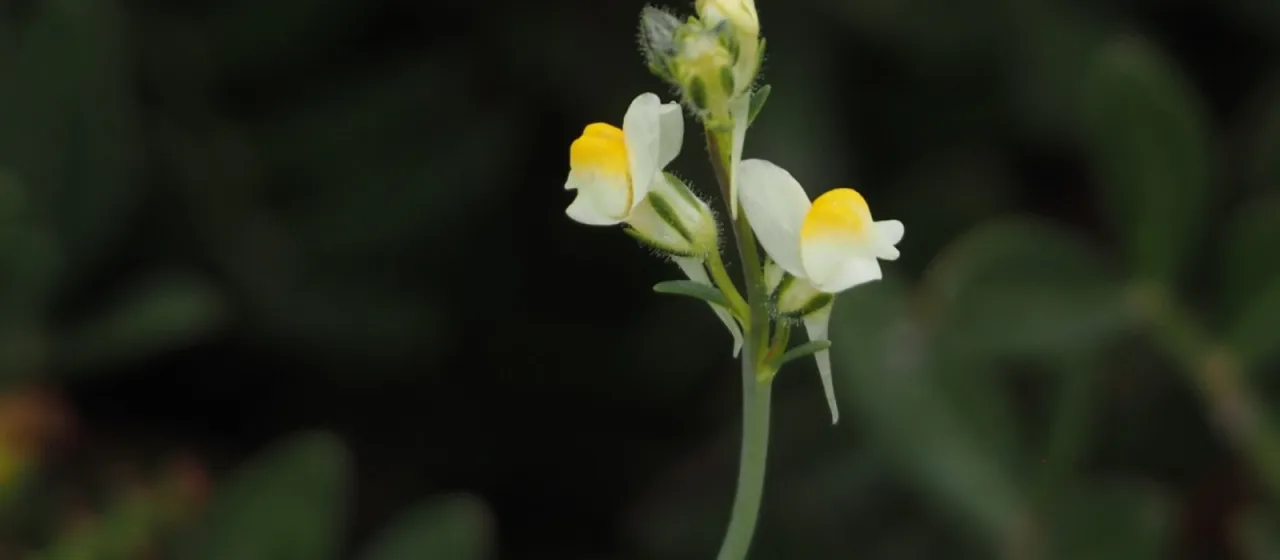
Botanically, Linaria tenuis is characterized by thin, elegant stems and narrow, lanceolate leaves. Its flowering phase produces spikes of unique, spurred blossoms that are highly effective at attracting pollinators. The root system is generally fibrous and capable of exploring rock crevices for moisture and minerals.
Agricultural requirements for Linaria tenuis revolve around mimicking its native environment. Success depends heavily on providing a well-drained substrate, as the plant is highly susceptible to root rot if water stagnation occurs. Full sun exposure is essential for healthy development, flowering, and seed maturation.
Its utilization currently spans across horticultural applications, particularly for rock gardens and arid-land landscaping, as well as limited botanical research into its phytochemical properties. Like many species in its family, it requires careful management to avoid common fungal pathogens related to humidity and poor ventilation.
- Light requirement: Full sun exposure is mandatory.
- Soil preference: Dry, well-drained, alkaline or stony soils.
- Watering needs: Minimal; prone to issues with over-irrigation.
- Key characteristic: High drought tolerance.