
Description
Linaria tristis is an herbaceous perennial plant that belongs to the family Plantaginaceae. It is often recognized for its unique, somewhat muted coloration and delicate structure, making it a desirable subject for specialized garden displays, particularly in rockeries and alpine-style gardens.
The plant originates from the Mediterranean basin, with its primary range located in the Iberian Peninsula. In the wild, it thrives in dry, rocky environments, displaying an evolutionary adaptation to nutrient-poor soils and limited water availability, which is characteristic of the Mediterranean climate zones.
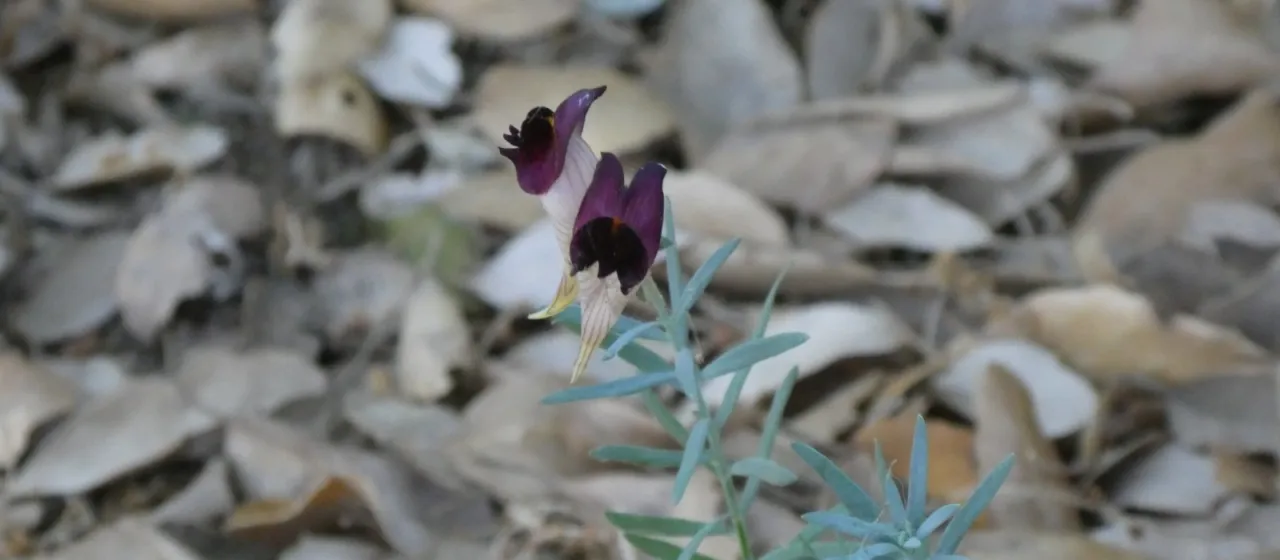
Botanically, the species is defined by its compact habit and slender, lanceolate foliage. Its flowers are highly distinctive, typically featuring a blend of dark, brownish-purple hues and bright yellow, which provides an elegant and somewhat moody aesthetic that stands out against gray rocky backdrops.
Cultivation requires adherence to specific environmental conditions to mimic its native habitat. The soil must be exceptionally well-draining; heavy clay soils or organic-rich composts are generally unsuitable as they promote root rot. Linaria tristis demands full sun exposure to flourish and maintain its structural integrity.
- Excellent drainage is the highest priority for survival.
- Avoid over-fertilization, as this leads to leggy, weak growth.
- Protect from excessive winter rain by using grit or alpine houses.
- Light pruning can help maintain a tidy plant shape after the first flush of flowers.
The primary use of Linaria tristis is horticultural, serving as an accent plant in dry garden designs. Common plant health issues include fungal diseases stemming from poor drainage and moisture retention. Gardeners should monitor for pests such as aphids or spider mites, which can infest the foliage during hot, dry spells.