
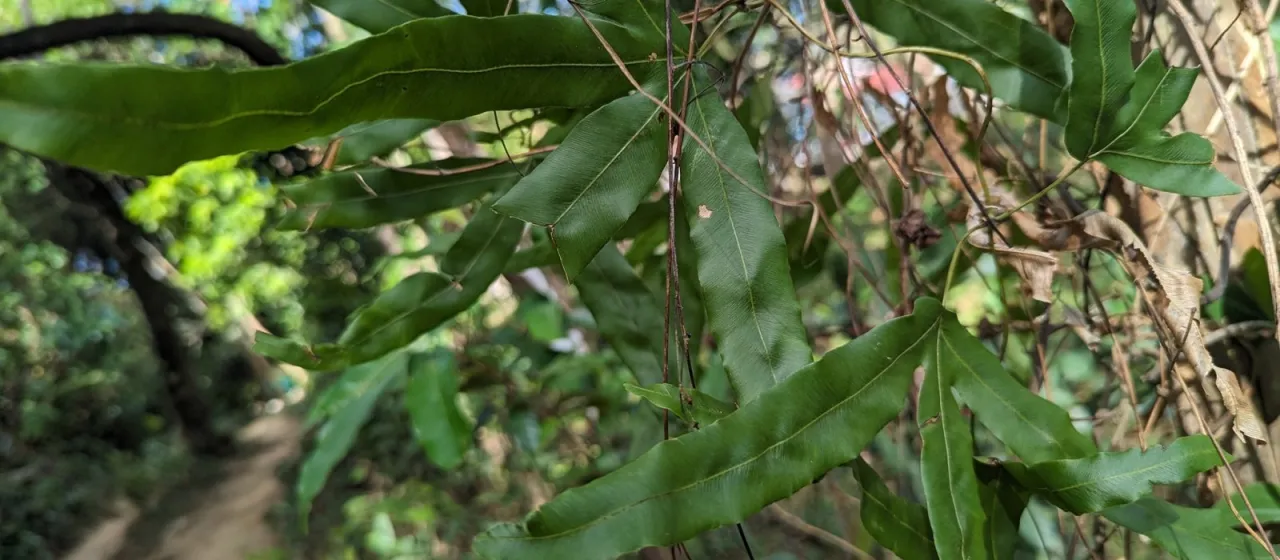
Description
Lygodium circinnatum is a remarkable climbing fern species belonging to the Lygodiaceae family. Unlike traditional ferns that grow from a central rosette, this plant produces long, vine-like fronds that can extend for several meters, acting as a climbing mechanism to reach light in dense tropical environments. This growth pattern allows the plant to dominate sections of the forest understory, utilizing nearby vegetation as support.
Originating from the tropical regions of Southeast Asia, this fern is native to areas such as Indonesia, the Philippines, and Malaysia. It thrives in environments characterized by high humidity, constant warmth, and consistent rainfall throughout the year. The species is highly sensitive to cold temperatures, and its distribution is strictly limited to tropical zones where seasonal fluctuations are minimal.
From an agronomical perspective, Lygodium circinnatum requires well-draining, nutrient-rich soil with a high organic content. Cultivators must ensure the substrate mimics the forest floor’s composition. Consistent moisture management is critical; however, practitioners must be careful to avoid waterlogging the roots, which can lead to decay. In controlled settings, maintaining atmospheric humidity levels above 70% is essential for healthy frond development.
The economic value of this fern is primarily rooted in its role as a sustainable material for traditional handicrafts. The stems, being flexible when moist and rigid when dried, are harvested for weaving, braiding, and constructing complex structural crafts such as baskets, mats, and various household items. This material is highly valued in regional markets for its natural durability and resistance to wear, making it a key component of local cottage industries.
Regarding plant health, Lygodium circinnatum is susceptible to specific pathogens and pests that thrive in humid environments. Effective management strategies involve monitoring the following areas:
- Scale insects that attach to the frond stems.
- Spider mites that flourish in stagnant, dry air conditions.
- Fungal blight resulting from poor air circulation.
- Root rot triggered by improper drainage in heavy soil media.