
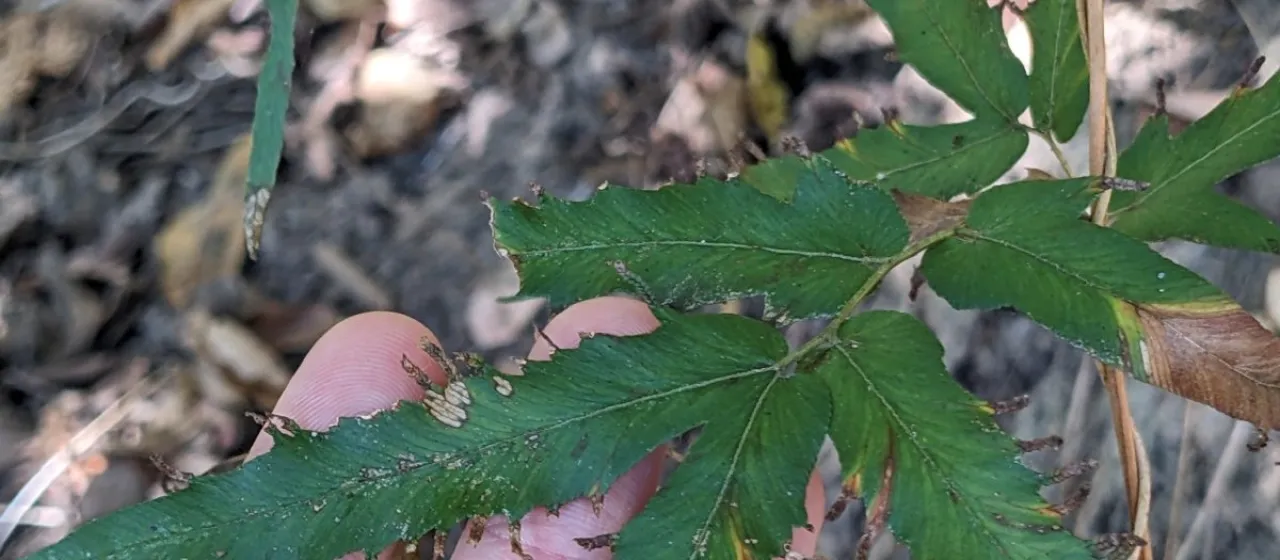
Description
Lygodium polymorphum is a distinctive species of climbing fern belonging to the Lygodiaceae family. Unlike typical rosette-forming ferns, this plant develops elongated rachises that act as climbing stems, allowing the fronds to trail or climb over surrounding vegetation in their natural habitats.
The species is native to the tropical zones of the Americas and parts of Asia. It thrives in high-humidity environments, usually found in swampy forests or shaded riverbanks. Due to its tropical origins, it requires a controlled environment when cultivated outside its native range, making it a specialized plant for greenhouses and indoor conservatories.
Botanically, Lygodium polymorphum is characterized by its indefinite growth pattern. The fronds are compound and exhibit a unique branching structure that enables them to reach significant lengths. The creeping rhizomes facilitate clonal spread, which is a critical feature for its survival in dense, competitive forest understories.
Successful cultivation depends on strictly adhering to tropical environmental parameters. The plant requires:
- A well-draining, acidic, and organic-rich growing medium.
- Consistent ambient humidity levels above 70%.
- Indirect, filtered light to prevent leaf scorching.
- Stable temperatures kept between 20°C and 26°C.
In terms of usage, the plant is primarily employed in ornamental horticulture for vertical greening and tropical landscaping. It is less common in standard agriculture but highly valued by collectors. Common pests include spider mites and scale insects, which often thrive in the same warm, humid conditions the fern requires. Proper aeration and monitoring are essential to prevent fungal infections and root rot.