
Description
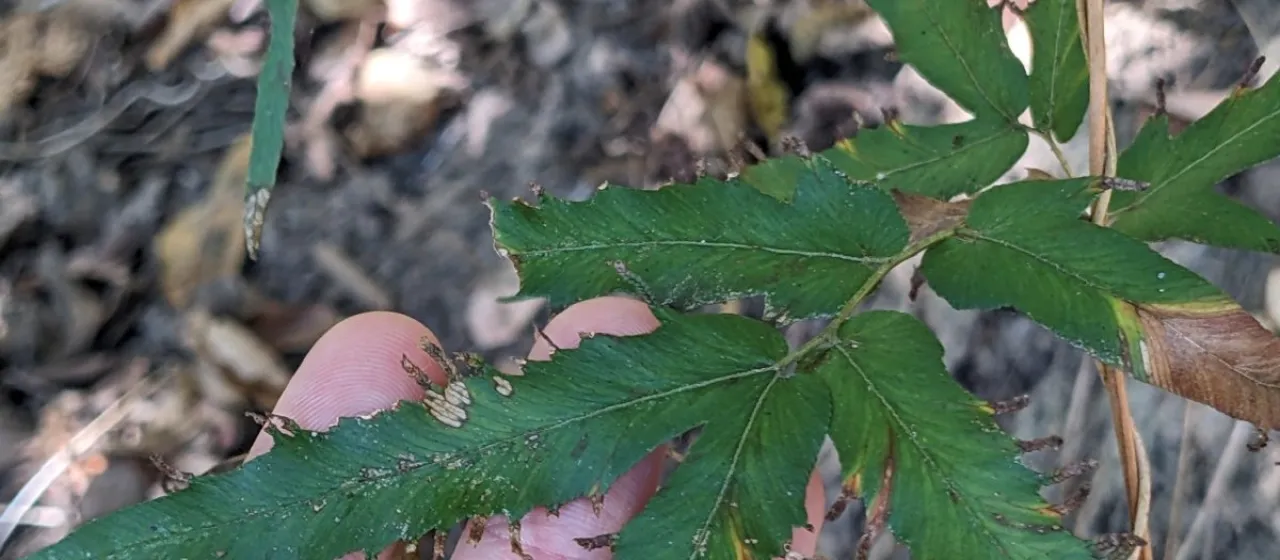
Lygodium flexuosum is a distinctive perennial climbing fern that belongs to the Lygodiaceae family. Unlike conventional ground-dwelling ferns, this species is characterized by its vining habit, with fronds that act as climbing stems, allowing the plant to reach significant heights by wrapping around available supports.
The native range of this fern extends across tropical and subtropical regions of Asia, including India, Southeast Asia, and Northern Australia. It thrives in high-humidity habitats such as rainforest edges and riverbanks, where it integrates into the understory by climbing neighboring vegetation to reach filtered light.
Botanically, the plant is noted for its indeterminate growth of fronds, which can continue to elongate throughout the growing season. The pinnate fronds have a leathery texture, and the fertile segments, where the sporangia are housed, are prominently visible on the margins of the distal leaflets, resembling delicate spikes.
Cultivation requires strict attention to environmental conditions. It demands a warm climate with temperatures consistent between 20°C and 30°C and a high atmospheric humidity. The growing medium should be well-draining, nutrient-rich, and slightly acidic. Regular misting and the provision of vertical structures are essential for proper structural development.
- Provide consistent moisture levels.
- Ensure partial shade to avoid leaf scorch.
- Utilize well-drained loamy soil mixes.
- Maintain high relative humidity.
- Protect from aphids and spider mites.
Commercially, this fern is valued for its traditional medicinal properties, particularly in treating dermatological and inflammatory conditions. While generally hardy, the plant is susceptible to common greenhouse pests such as spider mites, and root rot may occur if the substrate remains waterlogged without adequate aeration.