
Description
The American climbing fern (Lygodium palmatum) is a distinctive member of the Lygodiaceae family. It is a rare, climbing perennial fern that utilizes its petioles to twine around supportive structures, distinguishing it from most ground-dwelling fern species.
Native to the eastern United States, this plant thrives in moist, acidic, and shaded habitats, such as wetlands and swampy forests. Its natural distribution is quite localized, making it a plant of interest for botanists and conservationists as well as dedicated gardeners who manage specific, high-humidity environments.
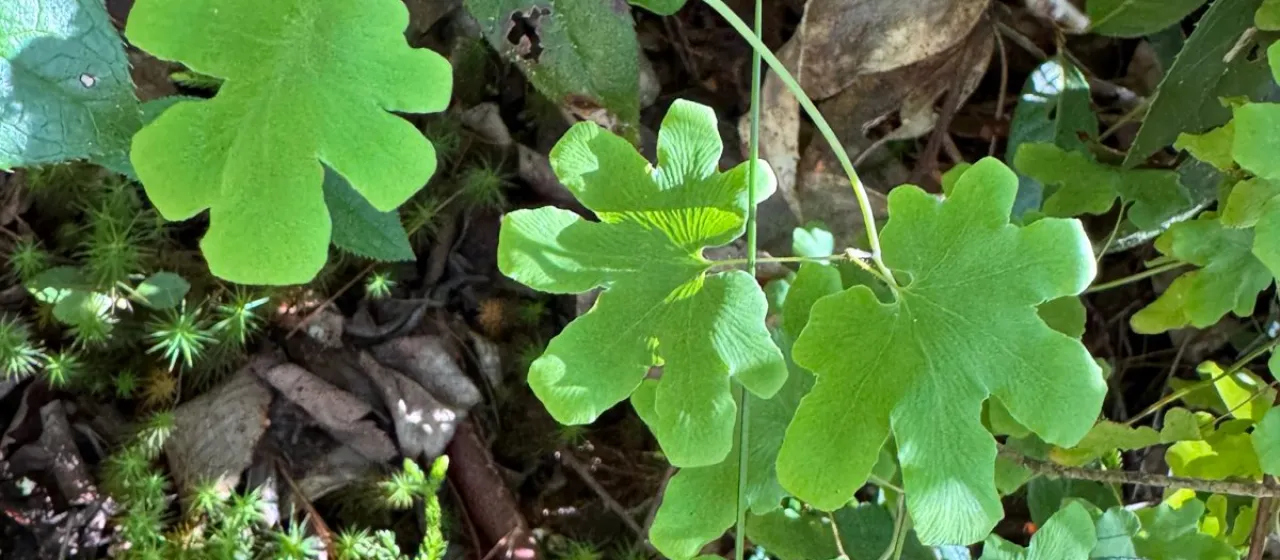
Botanically, the species is defined by its palmately-lobed leaflets, which grow along a slender, twining rachis. The plant possesses a creeping rhizome that allows for gradual spreading. Unlike many other ferns, its foliage is deciduous in colder parts of its range, reflecting its adaptation to temperate seasonal cycles.
Cultivation requires specific conditions: acidic soil, consistent moisture, and protection from direct, intense sunlight. In a nursery or garden setting, providing sturdy vertical support is essential to allow the plant to exhibit its natural climbing habit. Mulching with organic matter is recommended to keep the root system cool and damp.
The primary use of Lygodium palmatum is ornamental, prized by enthusiasts for its unique architecture. Management involves monitoring for common pests like scale insects and spider mites, especially in glasshouse conditions. Maintaining proper ventilation is the best strategy for preventing fungal outbreaks that can affect the delicate fronds.