Tigertail spruce
Picea polita (Siebold & Zucc.) Carrière
Description
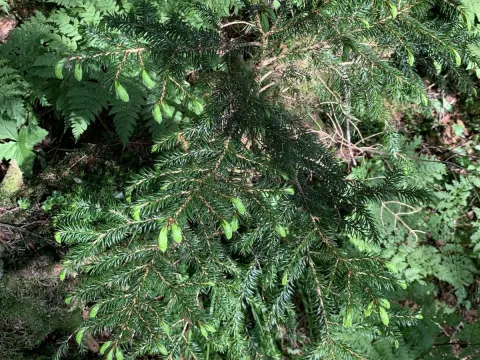
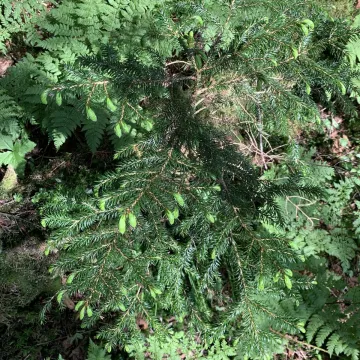
The Tigertail spruce (Picea polita), also recognized as the "shide-momi" in its native region, belongs to the Pinaceae family. It is a distinctive evergreen coniferous species notable for its exceptionally sharp, rigid needles that give the tree a unique, bold appearance compared to other spruce varieties.
The plant originates from the mountain regions of Japan. It is typically found in cool, moist habitats at elevations ranging from 700 to 1,700 meters, thriving in rocky or volcanic soils that provide excellent natural drainage and sufficient organic matter to sustain its growth.
Botanically, it is classified as a slow-growing tree with a broad, pyramidal crown. Its shoots are covered in stiff, bright green needles that are radially arranged. The aesthetic appeal of this species lies in its structural integrity and the slow accumulation of mature, deep green foliage over time.
Agricultural and gardening requirements focus on maintaining well-drained, acidic soil. The species is sensitive to compaction and waterlogging, making soil preparation and site selection critical. It prefers partial to full sun exposure, although young specimens benefit from shelter during extreme weather conditions.
- Maintaining consistent soil moisture without water saturation.
- Applying a balanced organic mulch layer around the base.
- Annual removal of dead or crossing branches to encourage airflow.
- Monitoring soil acidity levels to ensure optimal nutrient uptake.
The primary use of the Tigertail spruce is ornamental. Due to its unique texture and robust growth habit, it is a prized specimen in landscaping, particularly in arboretums, formal garden designs, and rock gardens where its architectural features can be fully appreciated by observers.
Common issues include fungal pathogens such as spruce needle cast, which often appear if air circulation is poor or if the tree is under stress. Insect pests, including aphids and mites, should be managed through regular monitoring and appropriate integrated pest management strategies to maintain plant vigor.
Photo gallery