Calabrian pine
Pinus brutia Ten.
Description
Calabrian pine (Latin: Pinus brutia Ten.) is a significant evergreen coniferous species belonging to the Pinaceae family. Widely recognized for its ecological importance in the Mediterranean region, this pine is a primary forest-forming species in Turkey, where it is known as the Turkish pine.
The native range of the species extends across the Eastern Mediterranean, including Greece, Cyprus, Syria, and Iraq. It is well-adapted to the hot, dry summers and mild, wet winters characteristic of Mediterranean climates. The species thrives in various elevations, showing a remarkable tolerance for adverse growing conditions.
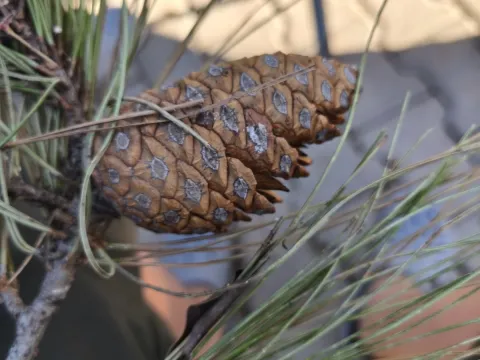
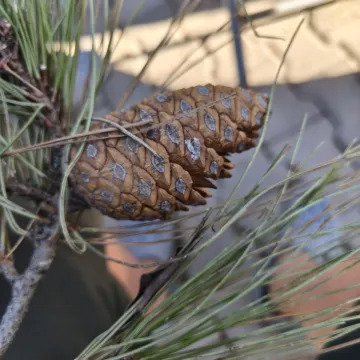
Botanically, Pinus brutia is distinguished by its long, slender needles growing in pairs and its heavy, broad, or oval-shaped cones that remain on the branches for several years. The tree typically grows to a moderate height, though it can reach up to 30 meters under favorable environmental conditions.
Cultivation requirements focus on full sun exposure and well-drained, often calcareous or stony soils. It is highly drought-tolerant, making it an excellent choice for reforestation programs in arid areas. Silvicultural practices involve careful thinning to promote trunk growth and prevent the rapid spread of fire in dense plantations.
- Timber production for construction and furniture manufacturing.
- Production of paper pulp and cellulose materials.
- Soil stabilization and erosion control on mountain slopes.
- Windbreak creation in agricultural and arid zones.
- Reforestation of degraded Mediterranean forest ecosystems.
The species is susceptible to various pests, most notably the pine processionary moth (Thaumetopoea pityocampa), which feeds on the foliage. Proper forest management, including biological control and regular inspections, is essential to mitigate pest impacts and maintain the long-term health and productivity of the stands.
Photo gallery