Swiss stone pine
Pinus cembra L.
Description
The Swiss stone pine (Pinus cembra) is a majestic evergreen conifer species belonging to the Pinaceae family. Known for its slow growth and exceptional hardiness, this tree is a classic representative of subalpine ecosystems, valued for both its ecological role and its aesthetic appeal in landscape architecture.
Native to the mountains of Central Europe, specifically the Alps and the Carpathians, the Swiss stone pine thrives in harsh, high-altitude climates. It is typically found at elevations between 1,200 and 2,500 meters, where it withstands extreme cold and strong winds. Its natural distribution demonstrates a remarkable ability to survive in nutrient-poor and rocky terrains.
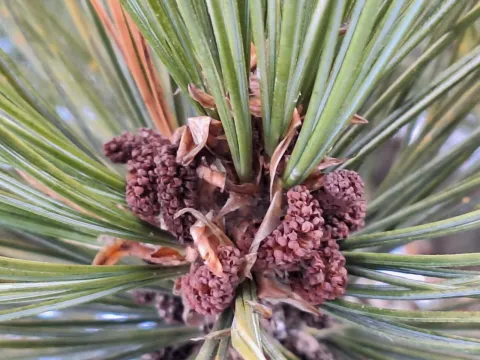
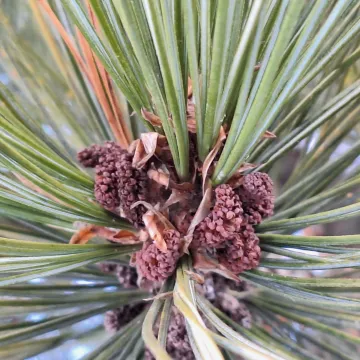
Botanically, this species is characterized by a dense, conical crown that broadens with maturity. Its needles occur in bundles of five and are a striking deep green with silvery-white undersides. The tree produces large, woody cones containing nutrient-dense seeds, commonly referred to as cedar nuts, which are highly prized for their culinary and nutritional value.
Cultivation requires specific environmental conditions, including well-drained, slightly acidic soil and cool, humid air. It is not well-suited to hot, dry climates or urban areas with high levels of atmospheric pollution. Standard agro-technical practices include regular monitoring for moisture levels during the establishment phase and applying mulch to the root zone to stabilize temperature and soil humidity.
In terms of economic use, the timber of the Swiss stone pine is highly valued in woodworking for its durability and pleasant, aromatic scent, which is often used in cabinetry. Additionally, the species is frequently utilized in reforestation projects to prevent soil erosion in mountain regions. Common threats to the tree include needle cast diseases and infestations by aphids or bark beetles, which require proactive integrated pest management strategies.
Photo gallery