Shortleaf pine
Pinus echinata Mill.
Description
Shortleaf pine (Pinus echinata Mill.) is a prominent conifer species belonging to the Pinaceae family. It is a commercially significant timber tree known for its structural strength and versatility, making it a cornerstone species for forestry management across the southern United States.
The species is native to the southeastern and central regions of North America. Its natural range is extensive, spanning from the Atlantic coast to the interior plains. Shortleaf pine is known for its ecological plasticity, thriving in varied climates and occupying diverse habitats ranging from dry uplands to moist river basins.
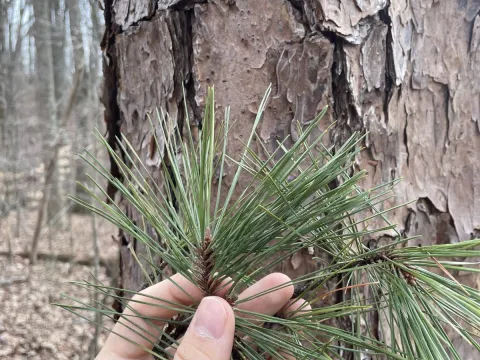
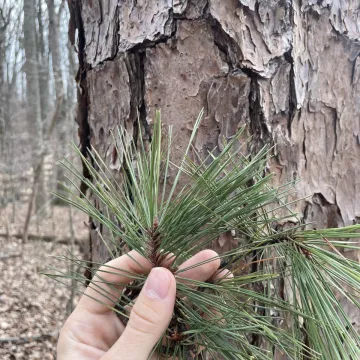
Botanically, it is characterized by a straight trunk and a conical crown that eventually rounds out. The needles typically occur in bundles of two, measuring 7 to 12 cm long. The species name is derived from its small, egg-shaped cones, which feature sharp, prickle-tipped scales, making it distinct from other native pines in its range.
From an agronomical perspective, shortleaf pine thrives on well-drained soils, showing a remarkable tolerance for dry, nutrient-poor sites. Effective cultivation requires careful density management to maximize timber yields. Unlike many other species, shortleaf pine has an impressive ability to resprout from the root collar if the main stem is damaged by fire.
The timber produced is highly valued for construction, plywood, and pulpwood. Sustainable management of plantations is essential to mitigate potential losses. Typical health issues include:
- Southern pine beetles which can cause significant timber loss.
- Fusiform rust, a fungal disease that can deform stems.
- Defoliating insects that weaken tree vigor and annual growth rates.
Photo gallery