Slash pine
Pinus elliottii Engelm.
Description
Slash pine (Pinus elliottii Engelm.) is a prominent conifer species belonging to the Pinaceae family, widely recognized for its rapid growth rate and commercial significance. As a forestry crop, it is highly valued for the production of high-quality softwood timber, which serves as a primary raw material for various industrial applications worldwide, particularly in subtropical regions.
The species is native to the southeastern United States, where it thrives in diverse ecosystems ranging from moist lowlands to well-drained sandy ridges. Due to its adaptability, Slash pine has been successfully introduced to countries in South America, Africa, and Australia, where it is extensively cultivated on plantation scales to meet the growing global demand for wood fiber and timber products.
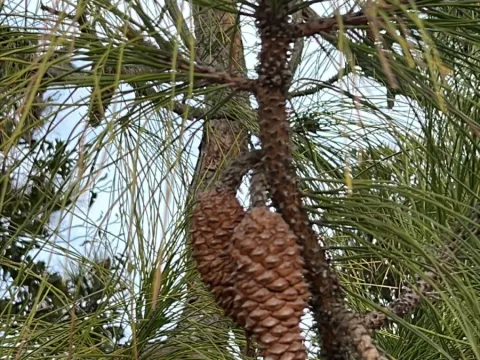
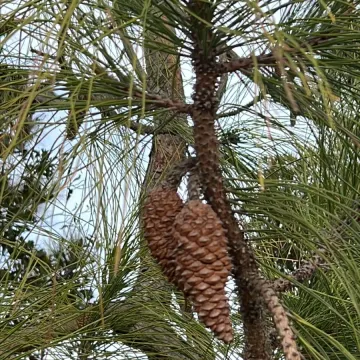
Botanically, Pinus elliottii is characterized by its long, glossy needles typically occurring in bundles of two or three and its medium-sized to large cones. The tree features a straight, cylindrical trunk that is ideal for timber production. Its root system is deep and expansive, providing excellent stability against wind, which is a crucial trait in areas prone to tropical storms and high winds.
Regarding silviculture and agronomic requirements, Slash pine performs best on acidic, sandy or loamy soils with adequate drainage. It is a light-demanding species, meaning that effective site preparation and weed control during the establishment phase are essential for seedling survival. Proper spacing within plantations is vital to ensure maximum growth potential and to facilitate mechanized harvesting in the future.
The economic utility of the species is extensive. It is primarily harvested for lumber, plywood, and high-quality wood pulp. Additionally, historically and in some modern contexts, the species is a major source of resin and turpentine. To ensure plantation health, foresters must remain vigilant against pests such as the pine bark beetle and diseases like fusiform rust, which can impact the overall yield and quality of the wood harvest.
Photo gallery