Korean pine
Pinus koraiensis Siebold & Zucc.
Description
The Korean pine, scientifically known as Pinus koraiensis, is a large coniferous tree belonging to the Pinaceae family. It is a majestic, long-lived evergreen species that is highly valued not only for its timber but also for its nutritious seeds. In its natural habitat, it typically reaches heights of 30 to 40 meters, though specimens up to 50 meters are not uncommon in prime forest conditions.
The native range of the Korean pine extends across the Russian Far East, Northeast China, Japan, and the Korean Peninsula. It thrives in temperate climates with well-distributed rainfall and cooler summers. The species prefers deep, nutrient-rich, and well-drained soils, showing a moderate tolerance for acidic conditions, but it performs poorly in compacted or waterlogged soils where root aeration is restricted.
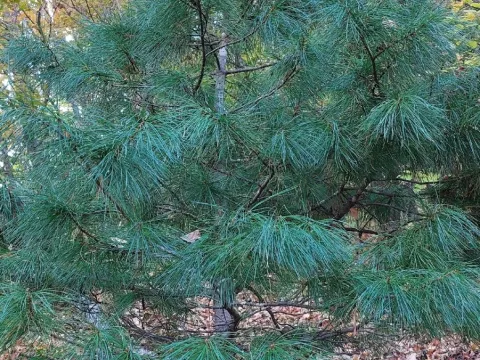
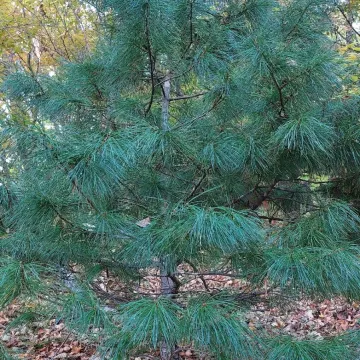
Botanically, the tree is characterized by needles in bundles of five, which are typically 7 to 13 centimeters long. The tree is monoecious, producing both male and female cones on the same individual. The cones are significantly large and woody, taking nearly two years to mature. This biological cycle requires consistent climatic conditions to ensure a successful seed harvest for agricultural or commercial purposes.
Successful cultivation requires careful site selection and long-term planning due to the tree's slow juvenile growth rate. Agronomists recommend protecting young trees from direct intense sunlight and desiccating winds for the first few years. Irrigation management is critical during early development, as the species does not handle prolonged drought well, even though mature trees exhibit decent hardiness.
Economically, the Korean pine is primarily grown for its seeds, commonly known as pine nuts, which are a highly prized food product worldwide due to their essential fatty acids and minerals. Beyond food, the wood is soft, lightweight, and durable, making it an excellent resource for carpentry, furniture making, and construction. Furthermore, it plays a vital role in ecological reforestation projects.
- Main pests: cone moths (Dioryctria species), aphids.
- Common diseases: white pine blister rust, needle cast.
- Planting tip: ensure adequate mycorrhizal inoculation for new sites.
- Lifespan: can thrive for over 300 to 500 years.
Photo gallery