
Dalmatian Black Pine
Pinus nigra J. F. Arnold subsp. dalmatica (Vis.) Franco
Description
The Dalmatian Black Pine (Pinus nigra subsp. dalmatica) is a member of the Pinaceae family. It is a robust evergreen coniferous tree, distinct for its specific genetic adaptation to the harsh, limestone-rich coastal environments of the Adriatic region.
Originating from the Balkan Peninsula, its natural habitat is characterized by rocky outcrops and Mediterranean climate influence. In agricultural and forestry contexts, it is cultivated for its resilience to drought and its ability to thrive in alkaline, nutrient-poor substrates where other species might fail.
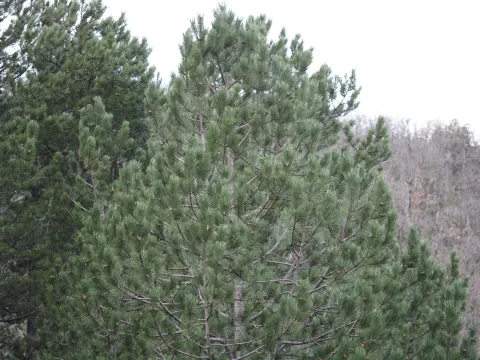
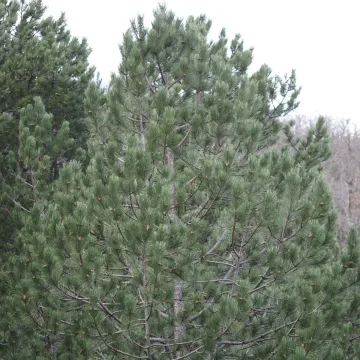
Botanically, it features a dense, conical crown that matures into a broader structure. The needles are notably stiff and dark green, arranged in pairs. Its root system is particularly aggressive, allowing the tree to extract nutrients and moisture from narrow crevices in rocky terrain, providing excellent soil anchorage.
Cultivation requires careful site selection, as the species demands full sun and excellent drainage. Agronomic practices focus on minimal disturbance of the root zone after establishment and protection from waterlogging. In terms of maintenance, periodic monitoring for pests and diseases is essential to ensure long-term health in managed stands.
The economic utility of the tree is significant, ranging from high-quality timber production for construction to its role in landscape architecture and forest erosion control. Common threats include the pine sawfly and various fungal blights, such as needle cast (Lophodermium spp.), which can compromise growth in dense, poorly ventilated plantings.
Photo gallery