
Maritime pine
Pinus pinaster Aiton
Description
Maritime pine (Latin: Pinus pinaster Aiton) is a prominent conifer belonging to the Pinaceae family. It is widely recognized in agriculture and forestry for its exceptional growth rate and resilience in maritime climates, making it one of the most economically important pine species in the Mediterranean region and beyond.
The native distribution of this species spans the western Mediterranean basin, including countries like Spain, Portugal, France, and Morocco. Due to its commercial potential, the maritime pine has been successfully introduced to various subtropical regions worldwide, including South Africa, Chile, and Australia, where it serves as a cornerstone of the timber industry.
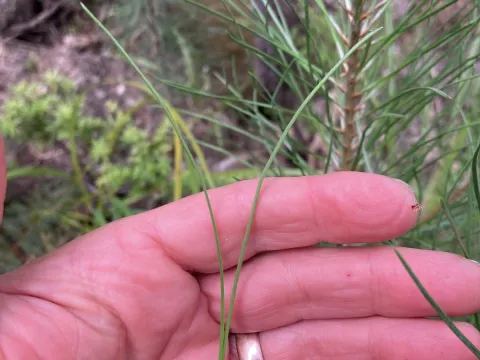
Botanically, it is a sturdy tree that can reach heights of up to 35 meters. Its characteristics include thick, deep bark, which provides a natural defense against fire, and long, dark green needles. The cones are distinctively large and conical, producing winged seeds that allow the species to colonize sandy soils effectively where other species struggle.
Successful cultivation requires specific environmental conditions, primarily warm climates with mild winters. The species favors well-drained, acidic, and sandy soils. Agronomic management practices focus on spacing to maximize yield, fire control protocols, and periodic thinning. It is a highly photophilic plant that requires full sunlight for optimal development and wood density.
The maritime pine is utilized in several key sectors, including structural timber, plywood manufacturing, and the pulp and paper industry. Additionally, it remains a primary source for the production of turpentine and rosin, derived from its resin. Farmers and foresters must be vigilant against pests like the pine processionary moth and pathogens such as fungal needle casts, which can compromise the health of the entire plantation.
Photo gallery