Stone pine
Pinus pinea L.
Description
The stone pine (Pinus pinea), also known as the umbrella pine, is a majestic conifer belonging to the Pinaceae family. It is arguably one of the most recognizable trees in the Mediterranean landscape, famous for its distinct, spreading crown that resembles a giant open parasol as the tree matures.
Originating from the Mediterranean region, this species is well-adapted to warm, temperate climates. While it can thrive in a variety of environments, it is primarily found in coastal areas where it benefits from high light intensity and mild winters. It is generally intolerant of harsh, freezing winters, which dictates the geographical limits of its cultivation.
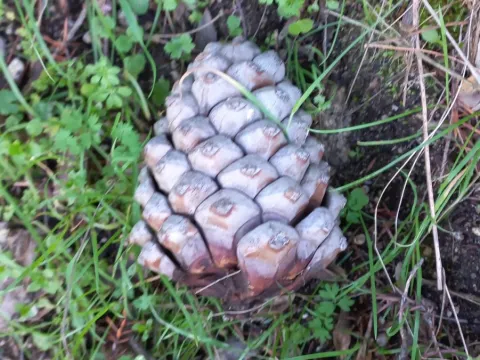
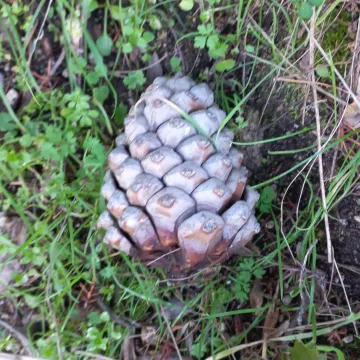
Botanically, the stone pine is characterized by its reddish-brown, deeply fissured bark and relatively long, bright green needles. Its most distinctive feature is the heavy, rounded cone that takes three years to mature. These cones protect the large, edible seeds, which are highly valued commercially for their flavor and nutritional profile.
Agronomic requirements are modest; the tree is highly drought-tolerant once established. It prefers well-drained, sandy, or loamy soils and thrives in slightly acidic to neutral pH levels. Proper site selection is crucial, as the tree requires full sun for optimal health and seed production. Regular maintenance involves pruning to maintain the structural integrity of the crown.
The economic utilization of the stone pine is diverse. The most significant product is the edible pine nut, a premium culinary ingredient in global markets. Beyond agriculture, the wood is utilized for general construction, and the tree is a staple in high-end ornamental landscaping and xeriscaping projects across warm-climate regions.
Common issues faced by cultivators include:
- Pests: The pine processionary moth is a significant threat in its native range.
- Diseases: Diplodia tip blight, which is often exacerbated by moisture stress.
- Environmental factors: Sensitivity to prolonged waterlogging in heavy clay soils.
Photo gallery