Eastern white pine
Pinus strobus L.
Description
The Eastern white pine (Pinus strobus L.) is a significant coniferous species belonging to the Pinaceae family. It is widely recognized for its rapid growth rate, majestic stature, and soft, bluish-green needles that make it a premier choice for both timber production and ornamental landscaping.
Native to eastern North America, this species thrives in varied climates ranging from cool, moist regions to temperate zones. Its range is expansive, and it has been successfully introduced into numerous forestry programs across Europe and Asia, where it serves as a critical component of forest ecosystems.
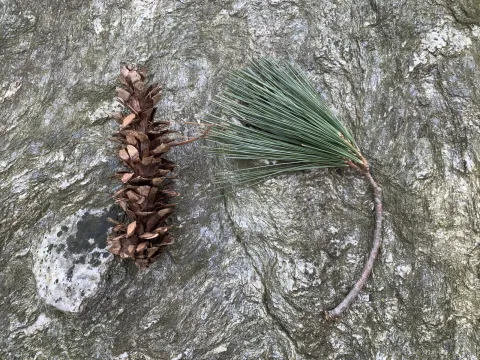
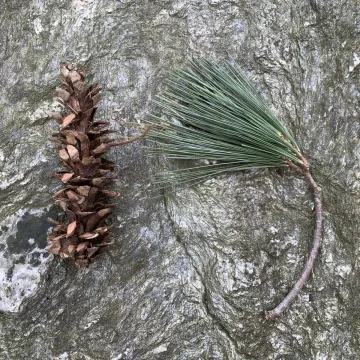
Botanically, it is characterized by its five-needle fascicles and long, slender, resinous cones. The tree maintains a classic pyramidal shape during its youth, which gradually evolves into a more broad, irregular crown as the tree matures, often reaching impressive heights in favorable conditions.
Cultivation requirements for this species include deep, fertile, and well-drained soils. While it can adapt to various soil types, it is sensitive to soil compaction and waterlogged conditions. Successful management involves monitoring for drought stress and providing supplemental irrigation, especially during the establishment phase.
The tree is utilized for high-quality lumber, which is valued for its uniformity and ease of working. However, growers must be vigilant regarding pest and disease pressure. The most significant threat is white pine blister rust, which necessitates strict silvicultural practices, including the removal of nearby Ribes species to break the disease cycle.
Photo gallery