Scots pine
Pinus sylvestris L.
Description
Scots pine (Pinus sylvestris L.) is a prominent evergreen coniferous tree belonging to the Pinaceae family. It is one of the most widely distributed tree species in the world, playing a critical role in global forestry due to its economic value and ecological adaptability.
The natural distribution range covers temperate and boreal regions of Europe and Asia. In agriculture and forestry, it is extensively cultivated for timber production, reforestation, and land rehabilitation, as it successfully colonizes poor, sandy soils and nutrient-depleted sites.
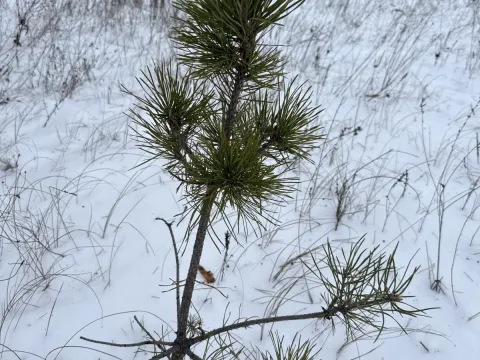
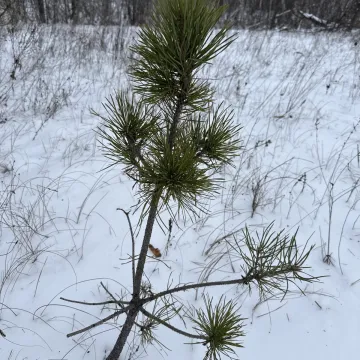
Botanically, the tree features a straight trunk with orange-red bark on the upper part and deeply fissured brown bark at the base. Its needles are arranged in pairs, usually 5 to 7 cm long. The tree possesses a robust taproot system that ensures stability even in exposed, wind-swept locations.
Agricultural requirements focus on full sun exposure, as the species is highly intolerant to shade. Seedlings grown in nurseries require consistent moisture during the first year, although established trees exhibit significant drought tolerance. Planting density is crucial to ensure straight growth and optimal wood quality.
- Timber production for construction, joinery, and pulpwood.
- Resin extraction and production of turpentine and pine oil.
- Landscape gardening and the creation of windbreaks.
- Use in medicinal and essential oil industries.
Common health issues involve fungal pathogens like needle cast (Lophodermium seditiosum) and rusts. Pests such as the pine shoot beetle or sawfly larvae can significantly affect tree vigor. Effective management involves integrated pest control and monitoring density to promote tree immunity.
Photo gallery