Chinese red pine
Pinus tabuliformis Carrière
Description
Chinese red pine (Pinus tabuliformis) is a prominent evergreen coniferous species belonging to the family Pinaceae. Known for its distinctive flat-topped crown as it matures, this species is highly valued for its robust structure and remarkable ability to thrive in harsh environments, making it a staple in East Asian silviculture.
The tree originates from Northern China, where it is found across various altitudes and terrain types. Its natural habitat includes rocky mountain slopes and arid inland regions, which has shaped its physiological resilience. Due to its wide ecological amplitude, the species is extensively used for reforestation and soil stabilization projects across temperate regions.
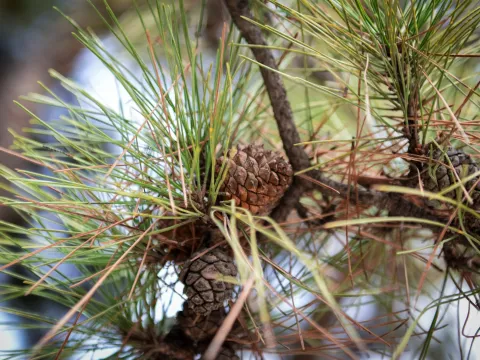
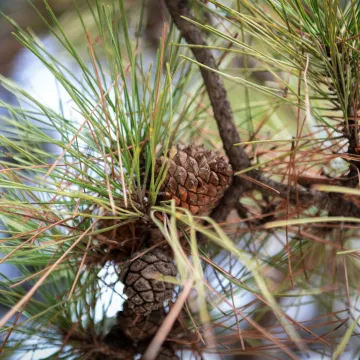
Botanically, this pine can reach heights of up to 30 meters. Its foliage consists of needle-like leaves, typically arranged in pairs, which are stiff and dark green. The tree produces ovate cones that are highly durable. The bark is another defining feature, shifting from smooth grey in youth to thick, furrowed, dark plates in mature trees, providing excellent protection against physical damage.
In terms of agrotechnology, the species requires well-drained soil and full sun exposure to maintain optimal growth rates. It shows a high tolerance for drought once established, though consistent moisture is necessary during the seedling phase. It is not picky regarding soil acidity, often flourishing on nutrient-poor substrates, which makes it an ideal candidate for degraded land rehabilitation.
Economically, Pinus tabuliformis is a primary source of timber in its native range, used for construction, furniture, and paper pulp. Beyond wood production, it plays a vital role in carbon sequestration and as a windbreak. It is also a popular ornamental tree for large landscapes, prized for its structural elegance and capacity to withstand urban pollution.
- Susceptibility to pine wilt disease and stem borers.
- High drought tolerance in mature stages.
- Preference for acidic to neutral pH levels.
Photo gallery