Virginia pine
Pinus virginiana Mill.
Description
Virginia pine (Pinus virginiana Mill.) is a coniferous tree species belonging to the Pinaceae family. Known for its adaptability, this pine typically develops a small to medium-sized structure, often featuring an irregular or crooked trunk. It is a vital species for reforestation efforts in diverse North American ecosystems.
The native range of the Virginia pine extends across the eastern United States, from New York down to Alabama. It naturally thrives in diverse environments, from the Appalachian foothills to the coastal plains. Because of its resilience, it has been widely introduced to areas where soil quality is insufficient for more demanding species.
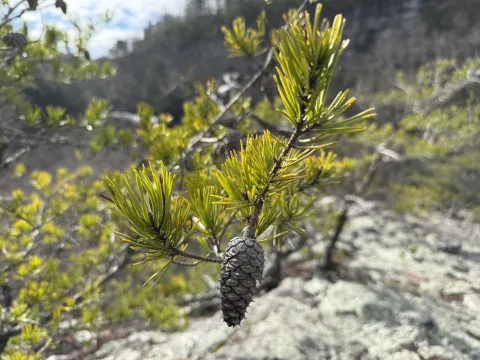
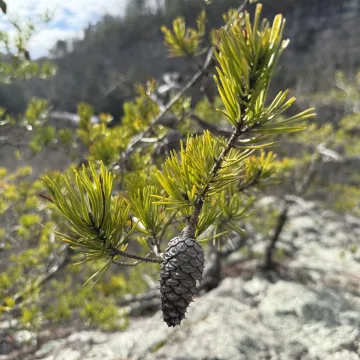
Botanically, the species is identified by its short, paired needles, usually 4 to 8 cm in length, and small, persistent cones that often remain attached to the branches for several seasons. The bark is relatively thin and scaly, turning reddish-brown as the tree matures, providing a distinct appearance compared to other pine species.
Regarding cultivation requirements, the Virginia pine prefers well-drained, acidic soils but displays remarkable tolerance for infertile, dry, or clay-heavy substrates. It is a highly light-demanding species, meaning that successful forest management requires significant thinning or clearings to ensure proper growth rates and overall tree vigor.
In terms of economic utility, this species is essential for the pulpwood and paper industries. Furthermore, it is a primary choice for Christmas tree plantations in its home range due to its attractive shape and needle retention. Beyond commercial timber, it is frequently used in environmental restoration to stabilize slopes and prevent soil erosion.
- Superior drought tolerance.
- High sun requirements.
- Susceptibility to pine-oak gall rust.
- Vulnerable to bark beetles and pine sawflies.
Photo gallery