
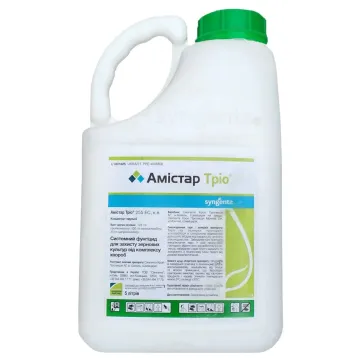
Description
Take-all is a severe fungal disease of wheat and other cereals, caused by the soil-borne pathogen Gaeumannomyces tritici. The fungus infects the root system and the base of the stem, causing significant vascular damage that prevents the plant from absorbing necessary water and nutrients.
The disease affects a wide range of grasses, primarily winter wheat, barley, and rye. Because the fungus survives as mycelium on crop residues in the soil, continuous cereal cropping is the most significant factor that promotes the build-up of the inoculum in the field.
Diagnostic symptoms include blackening of the roots and the lower stem base. As the infection progresses, affected plants display premature senescence and "whiteheads," where the ears appear bleached and stunted, often containing shriveled grain or remaining completely empty.
The development and spread of take-all are favored by moist, well-aerated soils and neutral to alkaline soil pH. The disease spreads through root-to-root contact within the crop canopy, making it particularly damaging in fields with high density and uniform moisture levels during the early vegetative stages.
Management and prevention of take-all root rot include:
- Strict crop rotation, rotating wheat with non-host crops such as oilseed rape or legumes.
- Maintaining soil fertility and managing acidity to suppress pathogen activity.
- Thorough tillage to break down infested stubble and remove volunteer cereal plants.
- Applying systemic seed treatments to provide initial protection against early infection.
Контент-граф
Connections · Take-all root rot
Most often together:
Marketplace
Products · 3

Coral c.s.
Джянгсу Агрохем Лабораторі Ко. Лтд., Чанжоу, Китай
Fungicides
0
0
·
34
No offers
—
Details
Community
Discussion
No discussions yet — be the first.