

Disease · fungal · affects Common bean, Papaya, Peanut
Especially harmful
Stem rot of rice
Sclerotium oryzae
Description
Stem rot is a severe fungal disease caused by the pathogen Sclerotium oryzae (teleomorph Magnaporthe salvinii). This fungus targets the stem tissues of susceptible plants, leading to severe structural failure, lodging, and significant yield losses in commercial production cycles.
The host range of Sclerotium oryzae is broad, affecting various crops beyond rice, including peanuts, papaya, poinsettia, common beans, potatoes, and wild species like Zizania. The pathogen survives in the soil and on crop debris as small, dark, round sclerotia, which can remain viable for several years.
Disease symptoms typically start as dark lesions on the leaf sheaths near the waterline. As the fungus progresses, it penetrates the inner stem tissue, where it produces numerous black sclerotia. This weakens the plant's structural integrity, causing it to lodge, while grain filling is interrupted, often resulting in empty or shriveled panicles.
Conditions favoring the spread of stem rot include prolonged high humidity and temperatures between 25°C and 30°C. The disease spreads rapidly through infested irrigation water and movement of soil containing sclerotia. Agronomic practices that promote excessive canopy density or high nitrogen availability often exacerbate the severity of the infection.
Effective management requires an integrated approach. Cultural practices such as removing crop residues, implementing proper crop rotation, and optimizing plant spacing are crucial. Farmers should monitor nitrogen levels to prevent overly succulent growth and apply registered fungicides when the initial symptoms appear to minimize the spread and impact of the fungus.
Biology
Pathogens and affected parts
Pathogens
Sclerotium oryzae· fungus
Unidentified basidiomycete· fungus
Sclerotium hydrophilum· fungus
Fusarium solani· fungus
Nectria haematococca· fungus
Fusarium· fungus
Phytophthora palmivora· oomycete
Pythium aphanidermatum· oomycete
Pythium ultimum· oomycete
Sclerotium rolfsii· fungus
Athelia rolfsii· fungus
Botryosphaeria ribis· fungus
Affected plant parts
stem
Content graph
Affects crops · 7
Контент-граф
Connections · Stem rot of rice
Most often together:
Marketplace
Products · 49

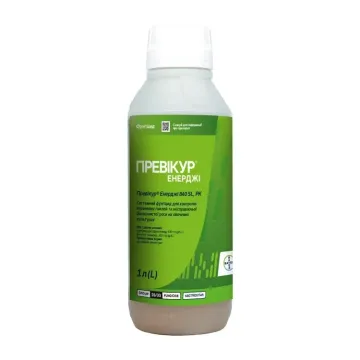


Vispar
Ф.Суперус Ко ., Лтд., Гонг-Конг, Шанхай, Китай.
Fungicides
0
0
·
878
6 offers
1.6 €за 1 л
Купить




Community
Discussion
No discussions yet — be the first.