

Disease · fungal · affects Lettuce, Red clover
Especially harmful
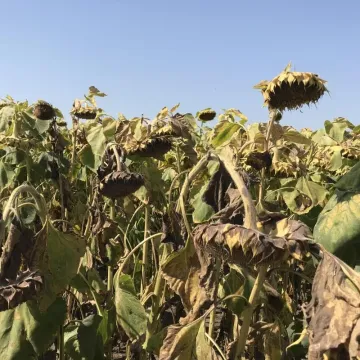
White mold of sunflower head
White mold of sunflower head
Description
White mold of sunflower head, caused by the necrotrophic fungus Sclerotinia sclerotiorum, is a devastating disease affecting various crops, including lettuce and red clover. This pathogen is known for its ability to persist in the soil for several years through the formation of sclerotia, making it a persistent challenge for sunflower production.
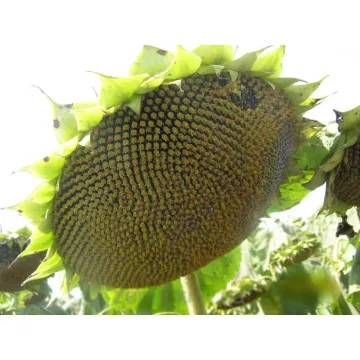
The symptoms primarily appear at the head maturity stage. The back of the sunflower head shows soft, water-soaked, light-brown spots. These lesions expand rapidly, eventually covering the head with a fluffy white fungal mycelium. Inside the decaying tissues, hard, black sclerotia develop, which serve as the primary source of future infections.
High humidity, frequent rainfall, and moderate temperatures during the flowering phase create an ideal environment for the development of white mold. Ascospores released from germinating sclerotia are dispersed by wind to the sunflower heads. If environmental conditions remain humid, the mycelium penetrates the floral parts, causing rapid tissue degradation.
The impact of this disease on yield is severe. Infected heads become structurally compromised, leading to significant seed losses. Furthermore, the quality of the harvested seed is greatly reduced, often resulting in lower oil content and higher acidity levels, which complicates processing and marketability of the final product.
Managing this disease requires a combination of cultural and chemical strategies. Crop rotation is the most effective tool, ensuring that non-host crops are grown for several years to deplete soil sclerotia populations. Deep tillage can help bury sclerotia deeper into the soil. Fungicide applications during the flowering stage can reduce the risk of head infection.
- Rotation with non-host crops like cereals
- Use of Sclerotinia-resistant sunflower hybrids
- Control of weed species that serve as alternate hosts
- Biological control using fungi like Coniothyrium minitans
Biology
Pathogens and affected parts
Affected plant parts
whole plant
Content graph
Affects crops · 2
Контент-граф
Connections · White mold of sunflower head
Most often together:
Marketplace
Products · 41























Community
Discussion
No discussions yet — be the first.