

Description
The causative agent of Phoma rot is the imperfect fungus Phoma caricae-papayae. This disease belongs to the category of fungal infections that affect various parts of plants, including stems, leaves, and fruits. The fungus persists in infected plant debris and soil, becoming active under favorable environmental conditions, which makes it a persistent threat to tropical and subtropical agriculture.
The primary crops affected by this pathogen include papaya and sweet potato. The fungus invades various tissues, often causing significant yield losses. In commercial farming, the spread of the pathogen is facilitated by the presence of monoculture, which allows the fungus to thrive and build up a high concentration of spores in the soil and environment over successive planting seasons.
Symptoms of the infection typically present as circular or irregular depressed lesions that are brown or dark grey in color. As the disease progresses, the tissues dry out, giving the rot its characteristic appearance. Small black dots, known as pycnidia, frequently appear on the surface of the lesions; these are the reproductive structures of the fungus that release spores to facilitate further spread.
The development of Phoma caricae-papayae is heavily dependent on high humidity and warm temperatures. Frequent rainfall during the ripening phase of fruits is a major driver for disease outbreaks. Furthermore, the fungus exploits mechanical injuries on fruit skins or plant stems to enter the tissues, initiating necrotic lesions that destroy both the yield quality and the plant's structural integrity.
Effective management and protection against Phoma rot require an integrated pest management strategy. To minimize the risk and damage, farmers should adopt the following practices:
- Use certified, disease-free planting material to prevent initial infection.
- Implement strict field sanitation by removing and burning infected crop residues.
- Rotate crops to non-host plants to reduce the pathogen population in the soil.
- Apply preventative fungicides based on local diagnostic advice and disease pressure.
- Ensure proper spacing and canopy management to improve ventilation and reduce humidity.
Biology
Pathogens and affected parts
Pathogens
Affected plant parts
whole plant
Content graph
Affects crops · 2
Контент-граф
Connections · Phoma rot
Most often together:
Marketplace
Products · 10
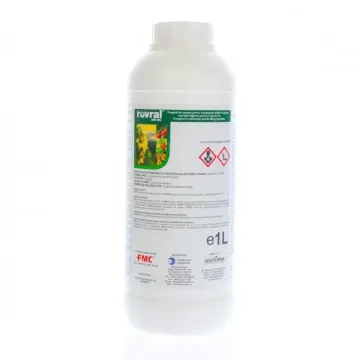
Rovral Aquaflow
БАСФ Агро БВ, Швейцарія, на заводі , Франція,Італія (Сієна)
Fungicides
0
0
·
4.1K
6 offers
13.6 €за 1 л
Купить





Community
Discussion
No discussions yet — be the first.