

Description
Bacterial disease in plants is a common pathology caused by various phytopathogenic bacteria, including representatives linked to the Bacteroidetes phylum. These pathogens act by colonizing the intercellular spaces or vascular tissues of plants, producing lytic enzymes that decompose plant cell walls, leading to systemic infection and tissue destruction.
Virtually all agricultural and horticultural crops are susceptible to bacterial diseases. Pathogens can affect fruits, roots, stems, and leaves, with crops like potatoes, tomatoes, and stone fruits being particularly prone to heavy losses during seasons with unfavorable climate conditions that promote bacterial multiplication.
Symptoms typically manifest as water-soaked lesions, necrotic spots, wilting, and in advanced stages, soft rot accompanied by a distinct, often foul, odor. The presence of bacterial ooze or exudate on the surface of infected tissues is a definitive diagnostic feature that distinguishes these infections from fungal or viral pathologies.
The spread and development of bacterial diseases are heavily dependent on environmental factors, particularly high humidity and warm temperatures. Rain splashing, overhead irrigation, contaminated tools, and insect vectors are the primary drivers for the rapid dissemination of bacteria across a field or within a greenhouse environment.
Effective management requires a rigorous approach including certified disease-free seeds, proper crop rotation, and strict sanitation of farm tools. Farmers should focus on reducing leaf wetness duration, controlling insect vectors, and applying copper-based bactericides or biocontrol agents preventively to minimize the economic impact on crop yields.
Контент-граф
Connections · Bacterial disease
Most often together:
Weeds
1 связь
Marketplace
Products · 966
All 966
Soybean 147
Cucumber 115
Corn 108
Bean 78
Cabbage 74
Tomato 74
Rapeseed 54
Fungicides 47
Sorghum 40
Zucchini 21
Walnut 19
Linen 16







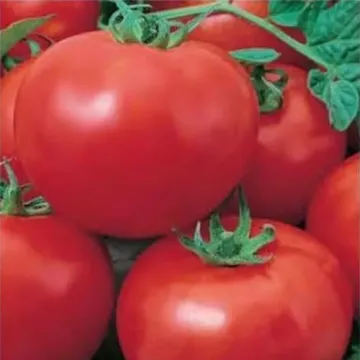
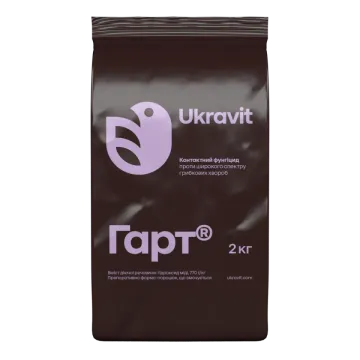
Gart
ТОВ «Фабрика агрохімікатів», Черкаси, Україна
Fungicides
0
0
·
1.5K
8 offers
13.5 €за 1 л
Купить


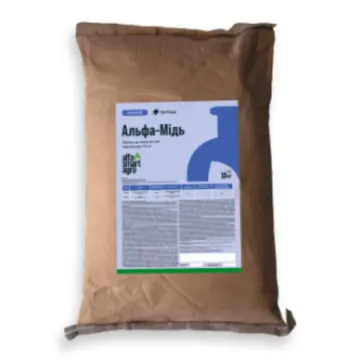
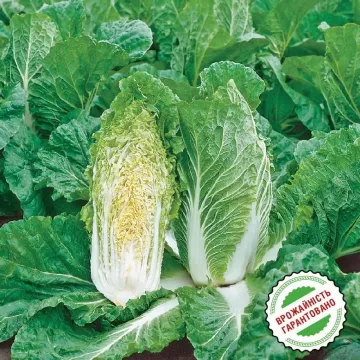

Chemp
Нуфарм Австралія Лтд. , Австралія (місце виробництва: Чілі
Fungicides
0
0
·
1.2K
13 offers
11.8 €за 1 л
Купить


Kulon
Три Дельта Компані Інтернешнл, Гонконг, Китай.
Fungicides
0
0
·
969
1 offer
14.4 €за 1 л
Купить










Community
Discussion
No discussions yet — be the first.