



SKU #1599
·
1 987 views
Tamara F1
Onion
BejoUser rating
0 votes0% positive reviews
No ratings yet — be the first.
Type
Onion
By day length
Short Day
Onion bulb; color
White
Cormus; shape
Round
Prices in stores
from1.5 €per 1000 pcs
14 offers from 9 stores
About product

Tamara F1 onion is a medium-early, high-yielding hybrid developed by the Dutch seed company Bejo Zaden. The maturation period is approximately 105-108 days after emergence, allowing for a single-season harvest. The hybrid is adapted for cultivation in open ground on various soil types, including regions with a sharply continental climate, and demonstrates resistance to adverse weather conditions,…
Type
Onion
By day length
Short Day
Onion bulb; color
White
Cormus; shape
Round
Description
Tamara F1 onion is a medium-early, high-yielding hybrid developed by the Dutch seed company Bejo Zaden. The maturation period is approximately 105-108 days after emergence, allowing for a single-season harvest. The hybrid is adapted for cultivation in open ground on various soil types, including regions with a sharply continental climate, and demonstrates resistance to adverse weather conditions, drought, and stress factors. The plant features large, long leaf-blades and a robust root system, contributing to its high vitality and resistance to diseases such as downy mildew, root rot, and fusarium, as well as pests.
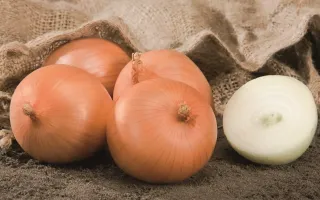
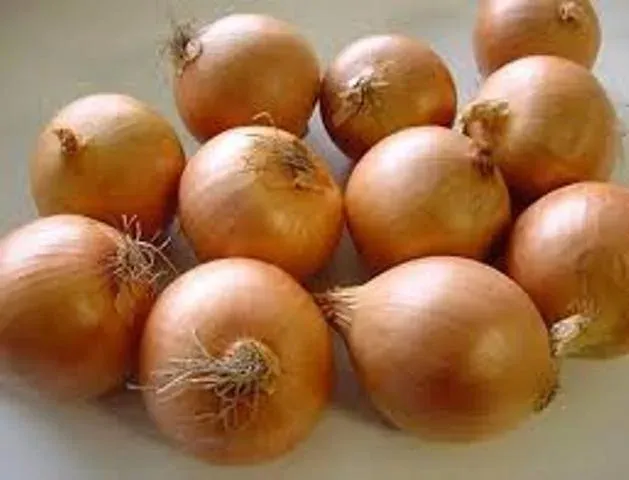
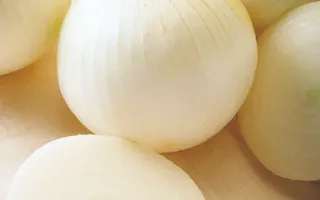
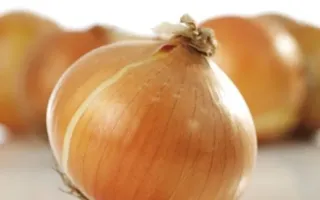
Tamara F1 bulbs have a round, slightly flattened shape with uniform size and weight up to 300 grams. Their color ranges from golden-bronze to dark straw, with dense outer scales providing excellent protection during harvesting, transportation, and storage. Inner scales are snow-white, crisp, juicy, and semi-sharp in flavor without bitterness and with a pleasant onion aroma. Dry matter content reaches 11.8%, contributing to good storability and shelf life of up to 8 months after harvest. Tamara F1 onion is suitable for fresh consumption, processing, and widely used in cooking for preparing various dishes.
The hybrid is characterized by high yield — with proper agronomic practices, 60 to 75 tons of quality product per hectare can be obtained. Sowing seeds is recommended at a rate of 1-1.2 million seeds per hectare, at a depth of about 3 cm and a planting scheme of 1x10 cm. Sowing can be done either with seeds or seedlings, in open ground or under cover. Tamara F1 is well-suited for mechanized harvesting due to its uniformity and marketability. This onion is a reliable choice for farmers aiming to obtain a stable and high-quality harvest under various climatic conditions.
Tamara F1 bulbs have a round, slightly flattened shape with uniform size and weight up to 300 grams. Their color ranges from golden-bronze to dark straw, with dense outer scales providing excellent protection during harvesting, transportation, and storage. Inner scales are snow-white, crisp, juicy, and semi-sharp in flavor without bitterness and with a pleasant onion aroma. Dry matter content reaches 11.8%, contributing to good storability and shelf life of up to 8 months after harvest. Tamara F1 onion is suitable for fresh consumption, processing, and widely used in cooking for preparing various dishes.
The hybrid is characterized by high yield — with proper agronomic practices, 60 to 75 tons of quality product per hectare can be obtained. Sowing seeds is recommended at a rate of 1-1.2 million seeds per hectare, at a depth of about 3 cm and a planting scheme of 1x10 cm. Sowing can be done either with seeds or seedlings, in open ground or under cover. Tamara F1 is well-suited for mechanized harvesting due to its uniformity and marketability. This onion is a reliable choice for farmers aiming to obtain a stable and high-quality harvest under various climatic conditions.
Video · 1 video
Suggest a video →Crop & resistance
Crop
Disease resistance
Specifications hover over for a hint about the specification
|
Type
Type
Galia (Galia) type — relatively new, of Israeli origin, although there are indications that this variety may originate from Spain. The fruits of this type are round or oval, weighing about 1 kg. The surface is smooth, covered with a delicate, connected netting, turning yellow whe... |
|
|---|---|
|
By day length
By day length
Onion is very sensitive to day length, so it is very important not to delay sowing and to cultivate varieties and hybrids appropriate for the day length, previously tested in this zone. Growing hybrids not intended for this zone can significantly affect yield, possibly causing pr... |
|
|
Onion bulb; color
Onion bulb; color
Distinguish two main colors of the onion bulb in cross-section. Specifically, white (possibly greenish-white) and red (pink) color. |
|
|
Cormus; shape
Cormus; shape
The shape of corms is quite diverse and can be flattened, round, and elongated. |
|
|
Storage
Storage
Depending on the variety characteristics, the storage period for heads may vary from one month for early varieties to eight months for late cabbage varieties. |
5 - 6 months |
| Dry Matter Content | 10 - 12% |
| Onion bulb; skin color | |
|
Maturation Period
Maturation Period
Vegetation period from emergence to technical maturity 30-50 days. |
100 - 110 days |
|
Direction
Direction
Existing varieties and types of cabbage are grown for fresh consumption, long-term storage, and technical processing. |
|
|
Harvest Method
Harvest Method
Most existing onion varieties are harvested manually. This is because onion bulbs are very sensitive to mechanical damage. However, there are varieties whose bulbs have a hard consistency and are suitable for mechanical harvesting. |
|
|
Yield
Yield
Overall bulb harvest per unit area. Depends on both onion variety characteristics and agronomic practices, fertilizers, and irrigation. Under optimal growing conditions, an onion yield of 100 tons per hectare and above is not considered record-breaking. |
50 - 70 tons/ha |
|
Onion bulb; weight
Onion bulb; weight
The weight of an onion bulb can reach 500–800 grams at sparse planting. |
200 - 250 grams |
| Catalog | Catalog → Onion |
| Manufacturer | Bejo |
| Country | Netherlands |
Store offers · 14 from 9 stores
Prices are updated on loadLoading offers…
Aggregator catalog: prices are collected automatically from store websites, normalized by AI and converted at the current exchange rate. Before ordering, confirm the price and availability on the store's website. This block is not indexed by search engines — the data is loaded after the page opens.
Alternatives
Onion · similar varieties




See also
Often considered together with this variety





Recently viewed
Similar items in this catalog section


Comments · 0