ИС
14 January 2020
Сколка стоит



Tomato
SAKATA
Highly productive determinate hybrid with strong genetic resistance to nematodes and soil-borne diseases.
In the segment of mid-late tomatoes for industrial processing, Japanese breeder Sakata offers a standard of reliability. Mariana F1 is a determinate hybrid designed for farmers who prioritize consistency over novelty. Its main advantage over competitors is a robust genetic barrier against soil-borne diseases and nematodes, making it a top choice for fields with high infection pressure.
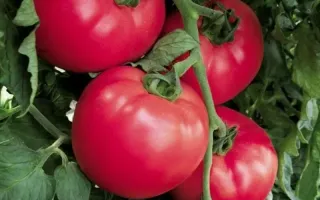
With a vegetation cycle of 120–130 days, Mariana F1 develops dense, plum-shaped fruits weighing 150–200 grams. These fruits are perfectly suited for mechanical harvesting and long-distance transport, showing excellent brix levels required for premium paste and whole-peeled production.
Mariana F1 is optimal for commercial operations focused on high-quality, long-shelf-life output. Its main requirement is sufficient heat units throughout the growing season, given its late maturity. This is the ultimate tool for a professional grower aiming to minimize risks associated with pests and diseases while maintaining a standardized, high-yielding harvest.
| Product Type | |
|---|---|
| Plant Type | |
|
Maturation Period
Maturation Period
Vegetation period from emergence to technical maturity 30-50 days. |
120-130 days |
|
Fruit Weight
Fruit Weight
Tomato fruits are classified by weight as: very small — less than 20 grams; small — 20 — 50 grams; medium — 50 — 100 grams; large — 100 — 200 grams; very large — more than 200 grams. |
150 - 200 grams |
|
Fruit Shape
Fruit Shape
Modern tomato varieties have a diverse fruit shape: flat, flat-round, round, oval, elongated-oval, pear-shaped, plum-shaped, cube-shaped, and cylindrical. On poorly fertile soils and under unfavorable growing conditions, tomato fruits may take on a more rounded shape. |
|
|
Fruit Color
Fruit Color
The fruit color of tomato varieties is influenced by the combination of skin and flesh color. Some varieties have transparent skin, others — yellow. When combined differently, the fruits can acquire quite diverse colors. The fruit color is affected by pigments (lycopene) and thei... |
|
|
Recommended Density
Recommended Density
Optimal productivity is achieved at a planting density of 4000-5500 plants/ha. Possible planting scheme: 300-500x40-80 cm. |
15-20 thousand pcs/ha |
| Catalog | Catalog → Tomato |
| Manufacturer | SAKATA |
| Country | Japan |
Aggregator catalog: prices are collected automatically from store websites, normalized by AI and converted at the current exchange rate. Before ordering, confirm the price and availability on the store's website. This block is not indexed by search engines — the data is loaded after the page opens.
Tomato · similar varieties


Often considered together with this variety


Similar items in this catalog section




Comments · 2