
Pest · Coleoptera (beetles) · affects Sunflower, Common hop, Apple
Poppy weevil
Stenocarus ruficornis
Description
Systematic position: The poppy weevil (Stenocarus ruficornis) belongs to the order Coleoptera and the family Curculionidae. It is a monophagous insect, specifically adapted to feed on poppy plants, making it a primary pest in areas where poppy is cultivated for agricultural purposes.
Host plants and damage: The species primarily attacks the opium poppy (Papaver somniferum) and related species. Adult weevils feed on the foliage, leaving distinct feeding punctures. However, the most severe damage is caused by the larvae, which bore into the poppy capsules to feed on the developing seeds, leading to significant yield losses and lower seed quality.
Biology and life cycle: Stenocarus ruficornis typically has one generation per year. Adults overwinter in the soil or in sheltered areas near fields. In spring, they emerge and migrate to poppy plants to feed and mate. Females deposit eggs on the surface of the capsules; the larvae then tunnel into the seed head to feed for several weeks before returning to the soil to pupate.
Pest significance: Due to the internal nature of the larval feeding, detection is difficult until damage is already extensive. High infestations lead to deformed, stunted, and hollowed-out capsules. This significantly reduces the harvestable seed yield and oil content, necessitating strict monitoring to avoid substantial financial losses in commercial plantations.
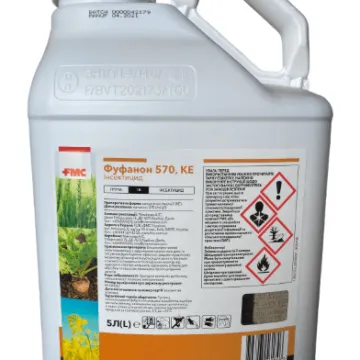
Protection measures: Integrated pest management (IPM) is crucial. Cultural practices, such as deep plowing in autumn, help destroy overwintering adults and pupae in the soil. Crop rotation is also recommended to break the life cycle. When monitoring indicates that populations exceed economic thresholds, timely application of targeted insecticides during the budding and flowering stages is necessary to protect the developing capsules.
Biology
Taxonomy
- Latin name
- Stenocarus ruficornis
- Order
- Coleoptera (beetles)
- Family
- Curculionidae
Taxonomy and Latin: EPPO Global Database · code STESFU
Контент-граф
Connections · Poppy weevil
Most often together:
Marketplace
Products · 1
Community
Discussion
No discussions yet — be the first.