

Pest · Coleoptera (beetles) · affects Fodder beet, Winter wheat, Apple
Especially harmful
Beet root weevil
Asproparthenis punctiventris
Description
The beet root weevil (Asproparthenis punctiventris) is a destructive pest belonging to the order Coleoptera and the family Curculionidae. It is widely recognized for causing significant economic losses in beet production, particularly during the seedling emergence stage.
This pest is highly polyphagous, meaning it feeds on a diverse range of plant species. The list of susceptible crops includes fodder and sugar beet, oilseed rape, cabbage, hemp, peppers, soy, sunflowers, and winter barley, making it a critical threat to diverse agroecosystems.
The life cycle begins with adults overwintering in the soil at depths of up to 30 centimeters. As temperatures rise in early spring, they emerge to feed on young vegetation. Females lay eggs near the root zones of host plants, and the resulting larvae continue the feeding process underground.
The damage caused by the weevil is both visible and subterranean. Adults skeletonize seedling leaves and destroy the growing point, leading to plant death. Meanwhile, larvae feed on the roots, which stunts plant growth, reduces the sugar content in beet crops, and makes plants vulnerable to disease.
Effective management requires an integrated approach. Farmers are advised to utilize crop rotation, early planting to avoid the peak activity period, and mechanical cultivation to disrupt larvae. Chemical control, such as seed treatment with systemic insecticides or foliar applications, is essential when adult populations reach the economic injury level.
Biology
Taxonomy
- Latin name
- Asproparthenis punctiventris
- Order
- Coleoptera (beetles)
- Family
- Curculionidae
Taxonomy and Latin: EPPO Global Database · code CLEOPU
Content graph
Damages crops · 22
Контент-граф
Connections · Beet root weevil
Most often together:
Marketplace
Products · 18
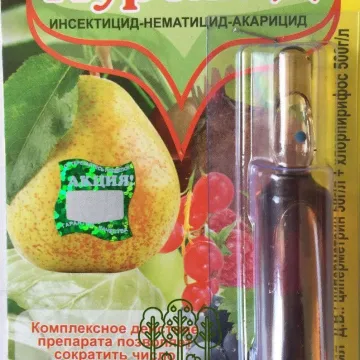

Marshal 25
Ф.ФМСі, Джексонвіль,США.
Insecticides, Acaricides
0
0
·
5.5K
11 offers
13.3 €за 1 л
Купить


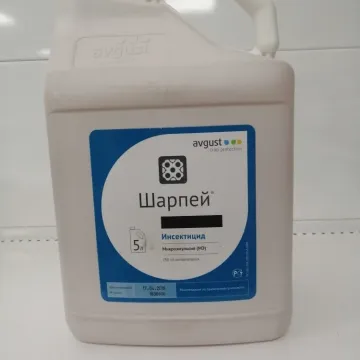
Sharpei
ЗАТ Фірма Август, Росія.,селище Вурнари,
Insecticides, Acaricides
0
0
·
2.5K
14 offers
2.3 €за 1 л
Купить


Pirinex 48
Mactheshim Chemical Works Ltd.
Insecticides, Acaricides
0
0
·
1.7K
8 offers
2.5 €за 1 л
Купить


Shtef-Alfa-Tsip
ДДЕ Фарм АГ, Тризен, Ліхтенштейн
Insecticides, Acaricides
0
0
·
1.3K
13 offers
3.5 €за 1 л
Купить

Community
Discussion
No discussions yet — be the first.