

Pest · Coleoptera (beetles) · affects Winter wheat, Fodder beet, Potato
Especially harmful
Beet leaf weevil
Tanymecus palliatus
Description
The beet leaf weevil (Tanymecus palliatus) is a member of the Curculionidae family within the order Coleoptera. It is recognized as a significant pest in agricultural sectors, particularly affecting the early development stages of various commercial crops across temperate regions.
This species is a polyphagous pest, meaning it feeds on a diverse range of host plants. Among the crops most susceptible to its damage are fodder beet, winter oilseed rape, cabbage, bell pepper, sunflower, winter barley, hops, and various fruit trees such as apple.
The life cycle of this weevil typically spans two years. Adult weevils overwinter deep in the soil profile. As temperatures rise in the spring, they emerge to feed on green plant tissue. Females lay eggs in the soil near the host roots. The larvae live underground, feeding on roots, which makes early detection of the infestation difficult.
The primary damage is caused by adults, which chew leaf margins and can completely consume young seedlings, leading to significant stand loss. Larval feeding on root systems restricts nutrient and water uptake, which can lead to stunted growth or the eventual death of the affected plant if the infestation is severe.
- Implementing strict crop rotation schedules to break the pest's cycle.
- Deep autumn ploughing to expose overwintering adults to adverse conditions.
- Seed treatment with systemic insecticides to protect seedlings during the critical emergence phase.
- Application of foliar insecticides based on field monitoring and economic threshold levels.
Biology
Taxonomy
- Latin name
- Tanymecus palliatus
- Order
- Coleoptera (beetles)
- Family
- Curculionidae
Taxonomy and Latin: EPPO Global Database · code TANYPA
Content graph
Damages crops · 16
Контент-граф
Connections · Beet leaf weevil
Most often together:
Marketplace
Products · 13


Marshal 25
Ф.ФМСі, Джексонвіль,США.
Insecticides, Acaricides
0
0
·
5.5K
11 offers
13.3 €за 1 л
Купить


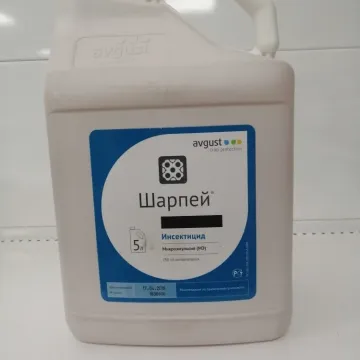
Sharpei
ЗАТ Фірма Август, Росія.,селище Вурнари,
Insecticides, Acaricides
0
0
·
2.5K
14 offers
2.3 €за 1 л
Купить


Shtef-Alfa-Tsip
ДДЕ Фарм АГ, Тризен, Ліхтенштейн
Insecticides, Acaricides
0
0
·
1.3K
13 offers
3.5 €за 1 л
Купить
Community
Discussion
No discussions yet — be the first.