Giant dodder
Cuscuta reflexa Roxb.
Description
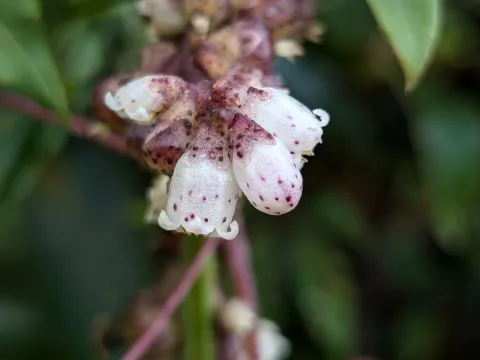
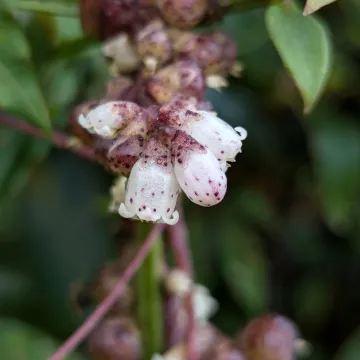
Giant dodder (Cuscuta reflexa Roxb.) is a parasitic plant species belonging to the family Convolvulaceae. Unlike conventional agricultural crops, this species is considered a highly harmful parasite that lacks true leaves and roots, relying entirely on host plants for survival and nutrient uptake.
The native range of Cuscuta reflexa is primarily located in tropical and subtropical Asia, including countries like India, China, and various regions of Southeast Asia. It thrives in humid environments, often colonizing large woody shrubs and trees, which serve as hosts for its rapid vegetative expansion.
Botanically, the plant is characterized by its thick, fleshy, yellow-to-greenish stems. It attaches itself to hosts using haustoria — specialized parasitic roots that penetrate the host's stem tissues to access its vascular system. This process deprives the host plant of water and essential minerals, often leading to its total collapse.
Regarding cultivation and agronomy, this species is not an agricultural crop but a significant weed that requires strict management. It is often classified as a quarantine pest because of its ability to devastate both natural ecosystems and plantations. Agricultural management involves strict quarantine, regular field monitoring, and the eradication of infected host plants to prevent the spread of seeds.
From a хозяйственное standpoint, Cuscuta reflexa is strictly managed as a harmful weed, with no commercial value in traditional agriculture. Its presence is typically associated with various detrimental factors:
- Severe growth stunting in infected crop hosts.
- Transmission of various plant pathogens, particularly viruses.
- Significant economic losses due to reduced yields and destruction of infected areas.
Photo gallery