Dwarf iris
Iris pumila L.
Description
Dwarf iris (Iris pumila L.) is a perennial herbaceous plant belonging to the Iridaceae family. As a cultivated species, it is highly valued in the horticulture industry for its extreme hardiness, early blooming season, and compact growth habit, which makes it ideal for rock gardens and borders.
The plant originates from the dry steppes and rocky slopes of Central and Eastern Europe, extending into Western Asia. Its natural habitat is characterized by well-drained, nutrient-poor, yet sun-drenched environments, which dictates its core physiological requirements when grown as an ornamental or breeding crop.
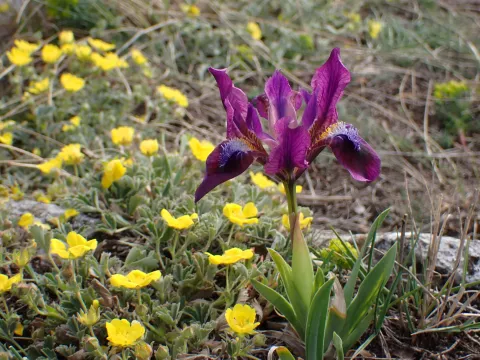
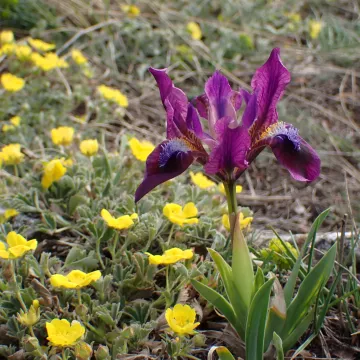
Botanically, Iris pumila is recognized by its short, rhizomatous growth and small, sword-shaped leaves. The flower stems are notably short, keeping the blooms close to the foliage. The flowers exhibit significant color variation, ranging from light blues and yellows to deep purples, which serves as a key trait for genetic selection of dwarf iris hybrids.
Successful cultivation requires soil with excellent drainage, as the rhizomes are highly susceptible to rot in stagnant moisture. Alkaline to neutral soil pH is preferred, and the plants require full sun to thrive. Maintenance practices involve careful weeding around the base and ensuring that the rhizomes are partially exposed to sunlight, which encourages better bloom production.
Pest and disease management is critical to maintain crop health. The most common issues include:
- Bacterial soft rot of rhizomes caused by excess moisture.
- Leaf spot caused by fungal pathogens (Heterosporium).
- Infestations by iris borers and aphids.
Preventative measures include avoiding overcrowding, providing adequate air circulation between plants, and applying systemic fungicides or insecticides when environmental conditions favor the development of specific pests or pathogens.
Photo gallery