Lamb's quarters
Chenopodium album L.
Description
Lamb's quarters (Chenopodium album L.) is an annual herbaceous plant belonging to the Amaranthaceae family. Often categorized as a prolific weed, it has historically been cultivated as a food crop and is now gaining scientific interest as a high-protein pseudocereal, sharing many genetic similarities with quinoa.
Originating from Eurasia, this plant has achieved a global distribution. Its adaptability allows it to be cultivated in diverse climates, ranging from temperate to subtropical regions. Due to its robustness, it is capable of producing significant biomass in various soil types, making it a reliable candidate for sustainable agricultural programs worldwide.
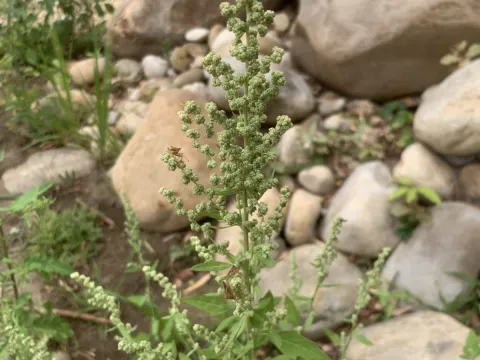
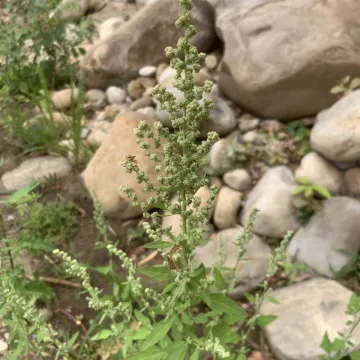
The botanical structure consists of a branched stem that can grow up to 1.5 meters, distinctive diamond-shaped leaves covered in a mealy, white substance, and dense terminal panicle inflorescences. This powdery coating is a defensive mechanism against moisture loss, providing the plant with remarkable drought resistance during its peak growing phase.
In terms of agricultural requirements, the crop thrives in nitrogen-rich soils and open, sunny locations. It is highly responsive to favorable soil conditions but maintains growth even in stressed or saline environments. Proper cultivation techniques focus on managing plant density and timing of harvest to maximize the yield of nutritious seeds while minimizing unwanted competition within the field.
Economically, lamb's quarters are utilized in multiple sectors:
- As a nutrient-dense grain substitute for gluten-free diets.
- As a high-quality green vegetable, similar to spinach.
- As an alternative crop for bio-fortified livestock feed.
Photo gallery