
Description
Hairy lespedeza (Lespedeza pilosa) is a perennial legume species belonging to the Fabaceae family. Known for its resilience and nitrogen-fixing capabilities, this crop serves as an essential component in sustainable agriculture, particularly in regions prone to soil degradation or requiring robust forage cover.
Originating from East Asia, including parts of Japan, China, and Korea, the plant is well-adapted to diverse climatic conditions ranging from temperate to subtropical. It thrives in open environments and is highly regarded for its ability to colonize and stabilize poor or acidic soils where other agricultural crops struggle to establish.
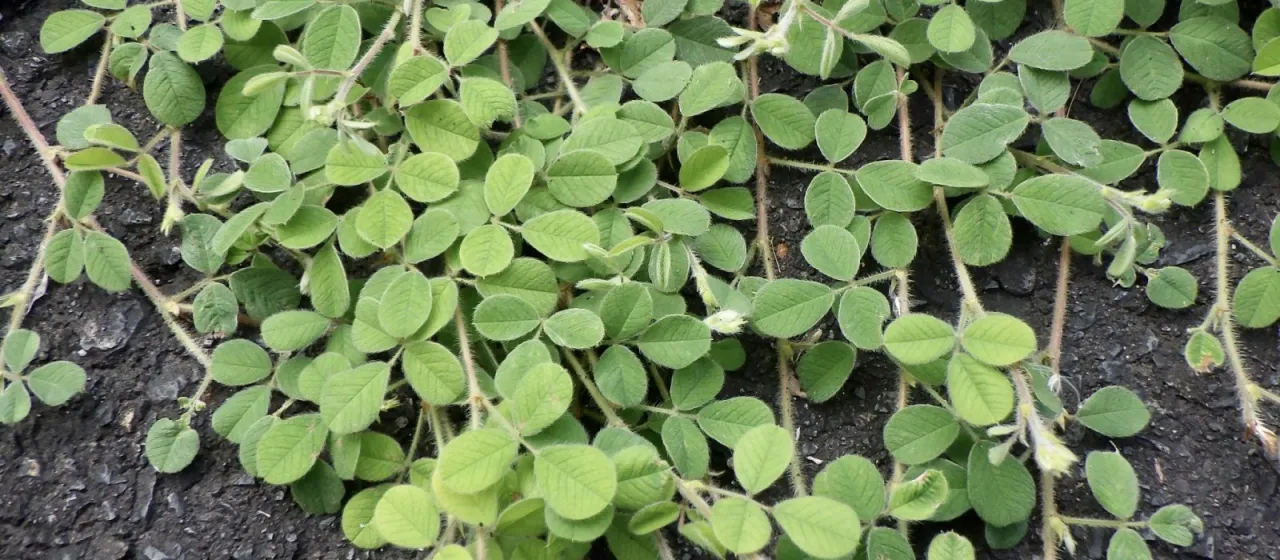
Botanically, the species is identified by its distinct pilose (hairy) stems and foliage, which provide drought resistance. It features trifoliate leaves and small, delicate flowers that bloom during the summer months. Its root system is deep and expansive, which significantly contributes to its role in preventing soil erosion in slope management projects.
Cultivation requirements for hairy lespedeza are relatively moderate compared to traditional forage crops. It prefers well-drained soils but shows remarkable tolerance to acidic and nutrient-deficient conditions. Agronomic practices should focus on weed control during the seedling stage, as young plants may be slow to establish and susceptible to competition from fast-growing weeds.
The agricultural and economic utility of hairy lespedeza includes:
- Providing high-quality forage for livestock grazing.
- Improving soil structure and fertility through nitrogen fixation.
- Controlling erosion on embankments and agricultural lands.
- Enhancing local biodiversity by acting as a late-season pollinator plant.
Regarding plant health, farmers should be vigilant for fungal diseases such as powdery mildew, which can occur if canopy ventilation is poor. Insect pests like weevils and aphids can occasionally affect the stand, requiring systematic scouting. Maintaining optimal planting density and adequate crop rotation are the primary measures to minimize disease pressure and ensure high productivity.