
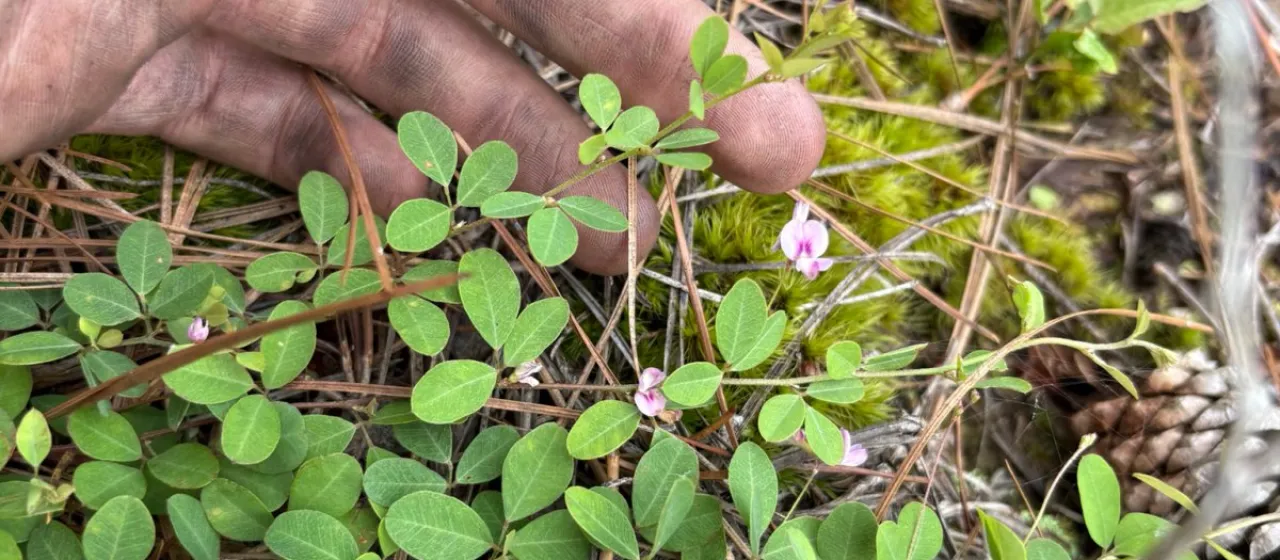
Description
Creeping bush clover (Lespedeza repens) is a perennial herbaceous plant belonging to the Fabaceae family. It is known for its prostrate growth habit, which distinguishes it from other upright species in the Lespedeza genus. This plant is a valuable asset in sustainable agriculture due to its nitrogen-fixing capabilities and soil conservation potential.
The species is native to North America, where it thrives in open woodlands, dry prairies, and sandy soils. Its natural range demonstrates a high level of environmental adaptability, allowing it to grow in poor soil conditions where many other forage species would struggle to survive.
Botanically, the plant consists of trailing stems that spread along the ground. The leaves are typically trifoliate, and the small, pea-like flowers range in color from pink to purple. The root system is deep and robust, which helps the plant maintain stability and access water during periods of seasonal drought.
Regarding agronomic requirements, the crop prefers well-drained, acidic to neutral soils with full exposure to sunlight. Its cultivation does not demand heavy input of fertilizers or pesticides. Effective establishment requires minimal soil disturbance and adequate moisture during the germination phase to ensure a dense vegetative cover.
The agricultural and environmental uses of Creeping bush clover include:
- Erosion control on embankments and sloping landscapes.
- Use as a high-quality forage legume for livestock grazing.
- Soil improvement through atmospheric nitrogen fixation.
- Supporting pollinator populations in meadows and wild fields.
Pests and diseases are generally manageable under standard farm practices. Common issues include root rot caused by poor drainage and infestations by aphids on tender foliage. Proper field sanitation and avoiding excessive moisture in the root zone are the most effective strategies for maintaining a healthy and productive stand of this perennial legume.