
Description
Thunberg's lespedeza (Lespedeza thunbergii) is a perennial deciduous subshrub belonging to the Fabaceae family. It is a highly valued plant for its ornamental appeal, late-season flowering, and its ability to participate in nitrogen fixation, which significantly benefits soil quality in agricultural environments.
The native range of this species covers East Asia, specifically Japan, China, and Korea. In its natural habitat, it thrives on mountain slopes and open woodland areas. When introduced to other regions, it adapts well to various temperate zones provided that its basic requirements for sun exposure and drainage are met by the grower.
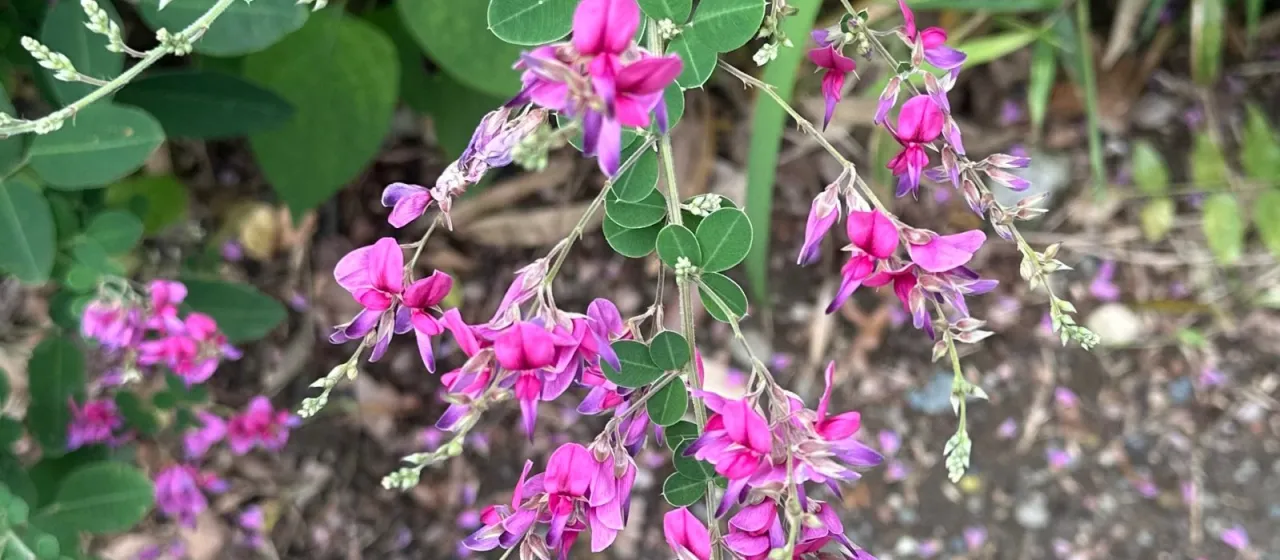
Botanically, the plant is characterized by its slender, arching stems that can reach heights of up to 2 meters. The leaves are compound, trifoliate, and create a dense foliage texture. The hallmark of this species is its dramatic flowering period, where the plant produces racemes of purplish-pink or white flowers that create a willow-like visual effect.
The agricultural cultivation of Lespedeza thunbergii requires specific environmental conditions. It demands full sun exposure to ensure maximum flowering and structural integrity. Well-drained, slightly acidic to neutral soils are optimal for long-term survival. While it is remarkably drought-tolerant once established, growers should monitor for moisture levels during the initial planting phase.
In terms of usage, the plant is widely utilized for erosion control on slopes, as a forage component in some systems, and as a late-summer pollinator resource. Farmers and gardeners should remain vigilant against common pests such as aphids and fungal issues like powdery mildew, which can occur during periods of high humidity or poor air circulation.