
Description
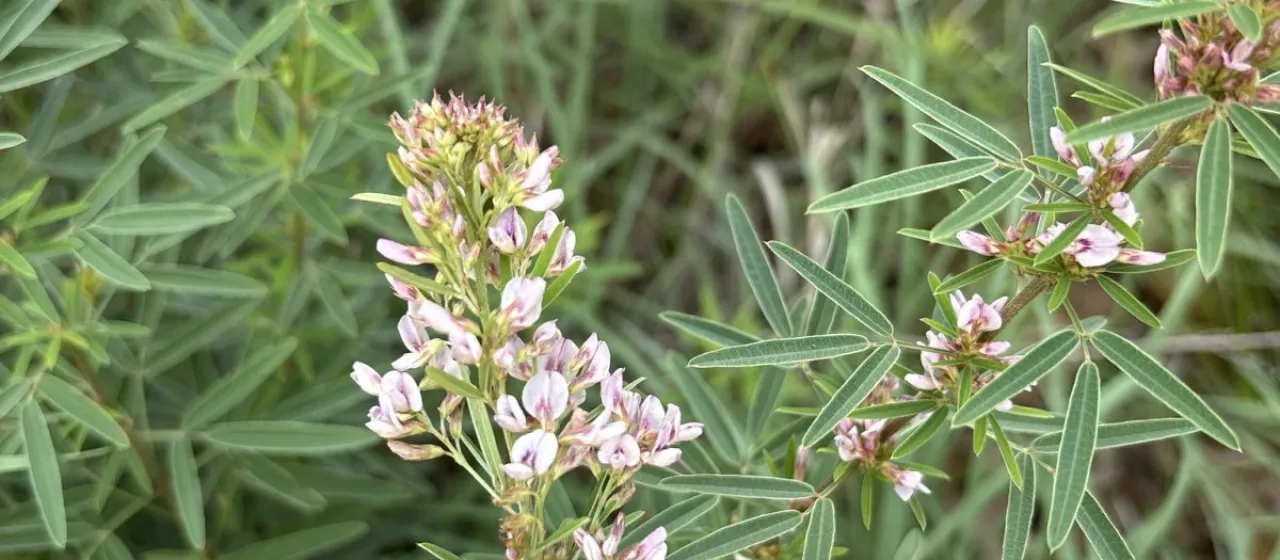
Slender lespedeza (Lespedeza virginica) is a perennial legume species belonging to the family Fabaceae. Recognized for its resilience and adaptability, this crop serves as a significant source of forage for livestock and plays a vital role in sustainable land management.
Native to North America, the plant is naturally distributed across prairies and open woodlands. Its ability to thrive in diverse environments, ranging from sandy to clay-loam soils, makes it an excellent candidate for agricultural operations looking to maximize productivity on marginal lands.
Botanically, Lespedeza virginica is characterized by slender, upright stems and trifoliate leaves. It possesses a deep taproot system, which contributes to its notable drought tolerance and ability to improve soil structure by facilitating nitrogen fixation, an essential process for soil fertility restoration.
Cultivation requires minimal intervention once established. The crop prefers full sun and well-drained soil conditions. Farmers are advised to ensure proper seed bed preparation and to avoid excessive moisture, which can inhibit the development of the primary root system during the initial stages of growth.
Agricultural applications include producing high-quality hay and providing forage for grazing animals. Furthermore, the species is frequently utilized in conservation efforts to mitigate soil erosion and improve biodiversity. While generally robust, growers should monitor for common leaf spot pathogens and specific aphid infestations, though these rarely impact yields significantly under proper management.