
Description
Black spot is a destructive fungal disease caused by the pathogen Diplocarpon rosae, which primarily targets rose bushes. It is considered one of the most significant foliar diseases affecting gardens worldwide, leading to premature defoliation and severe decline in the overall vigor of the host plant.
The disease specifically impacts various species within the Rosaceae family. While roses are the primary host, the fungus can occasionally manifest on other related plants if environmental conditions are conducive. The pathogen thrives by attacking the leaf tissue, which drastically reduces the plant's ability to photosynthesize effectively.
Symptoms are easily identifiable as dark, circular spots on the upper surface of leaves, often surrounded by a yellow halo. As the infection progresses, the leaves drop prematurely, starting from the base of the plant and moving upwards. This process significantly drains the plant's energy reserves throughout the growing season.
The fungus develops rapidly in humid and warm environments, especially when foliage remains wet for extended periods, such as overnight. Spores are disseminated through splashing rain or irrigation water. The fungus overwintering on fallen leaves serves as the primary inoculum for new infections in the following spring.
Effective management requires a multi-faceted approach. Sanitation is critical: all fallen leaves must be removed and destroyed to prevent re-infection. Cultural practices, such as proper spacing to ensure adequate airflow and avoiding overhead irrigation, are essential. Fungicidal applications may be required in high-pressure areas to maintain plant health.
- Prune to improve air circulation.
- Remove and destroy infected plant debris.
- Water at the base of the plant, avoiding foliage.
- Rotate different fungicides to prevent resistance.
Контент-граф
Connections · Black spot
Most often together:
Nutrient elements
1 связь
Marketplace
Products · 195
All 195
Rosa 104
Fungicides 62
Rosehip 5
Cabbage 3
Carrot 3
Tulips 3
Grape 2
Pepper 1
Aster 1
Iris 1
Hazelnut 1
Daiikon 1





Sinekura 680
Ф.Сімоніс Б.В. Барневелд, Нідерланди.
Fungicides
0
0
·
1.2K
10 offers
5.4 €за 1 л
Купить


Patrol
Спейс-Уранія Кемікал ГмбХ, Гамбург, Німеччина
Fungicides
0
0
·
899
3 offers
5.9 €за 1 л
Купить
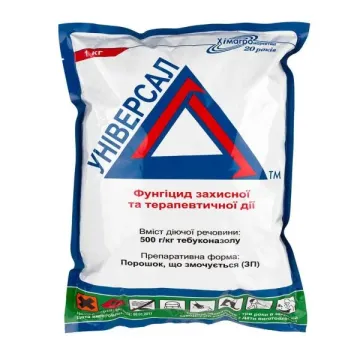


Mitchell
China Chemical Industrial & Rice Co. Ltd
Herbicides, Desiccants
0
0
·
574
3 offers
8.7 €за 1 л
Купить


KABRIO TOP granules
БАСФ СЕ, м.Людвігсхафен Німеччина
Fungicides
0
0
·
75
2 offers
16.4 €за 1 л
Купить
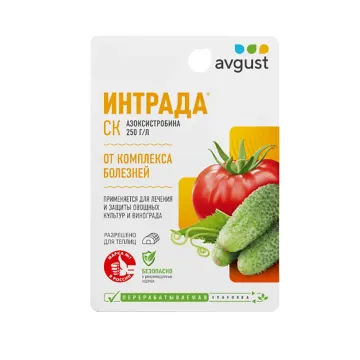
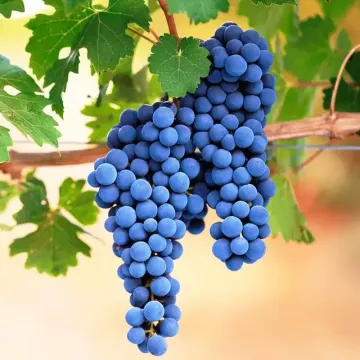


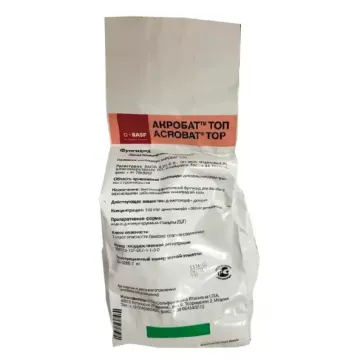
Acrobat Top
БАСФ Агро БВ, Швейцарія, на заводі , Франція,Італія (Сієна)
Fungicides
0
0
·
58
6 offers
4.3 €за 1 л
Купить










Community
Discussion
No discussions yet — be the first.