Description
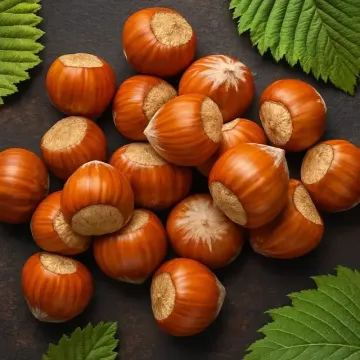
The hazelnut (Corylus avellana L.) is a prominent agricultural crop belonging to the Betulaceae family. It is widely cultivated for its commercially significant nuts, which are highly valued in the food industry for their nutritional content, including healthy fats, proteins, and minerals.
Originating from temperate regions of the Northern Hemisphere, the hazelnut thrives in climates with mild winters and warm, humid summers. Today, major production hubs are found in Turkey, Italy, and the United States, where extensive orchards are managed to ensure consistent annual yields through precise horticultural practices.
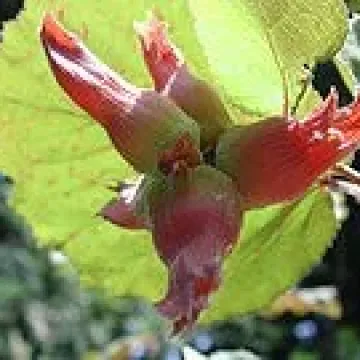
Botanically, the plant is monoecious, producing separate male (catkins) and female flowers on the same tree. Successful pollination usually requires cross-pollination between different cultivars. Root systems are fibrous and relatively shallow, necessitating careful irrigation management to avoid water stress during peak growth stages.
Optimal site selection for a hazelnut orchard includes deep, well-draining, and fertile soils with a pH ranging from 6.0 to 7.5. Intensive orchard management typically involves mechanical pruning for structural integrity, integrated weed control, and systematic nutrient application tailored to the tree's growth cycles.
Maintaining orchard health requires proactive monitoring for pathogens. Common diseases that can affect productivity and tree longevity include:
- Anthracnose and leaf spot complexes
- Bacterial blight and Nectria canker
- Rust and Septoria
- Phomopsis and powdery mildew
Content graph
Crop diseases · 21
AnthracnoseBacterial blightBlanching of hazelnutBorro secBrown spotCatkin Blast of hazelnutCrown gallCytospora cankerEastern filbert blightElm leaf blisterFilbert StuntHazelnut mosaicHazelnut YellowsKernel spotMycosphaerella leaf spotNectria CankerPhomopsisPowdery mildewRust diseaseSeptoria leaf spotTexas root rot
Контент-граф
Connections · Hazelnut
Most often together:
Marketplace
Products · 12