


SKU #3223
·
1 121 views
Scorpion
Herbicides, Desiccants
NertusUser rating
2 votes0% positive reviews
No ratings yet — be the first.
Desiccant
Herbicide-Desiccant
Drug Consumption
From 2.0 - 3.0 L/ha
Form of the preparation
Emulsion concentrate
By type of action
Systemic herbicide
About product

A dual-action desiccant and systemic fungicide designed for optimized crop maturation and disease control.
Desiccant
Herbicide-Desiccant
Drug Consumption
From 2.0 - 3.0 L/ha
Form of the preparation
Emulsion concentrate
By type of action
Systemic herbicide
Description
Technical Overview of "Scorpion" by Nertus
"Scorpion" is a sophisticated agrochemical solution designed to function as both a systemic total herbicide and a high-performance desiccant. The product's technical efficiency lies in its dual-action formula, which simultaneously targets weed management and fungal pathogen control, effectively streamlining field operations during the critical pre-harvest period.
Core Components and Efficacy
- Diquat: A contact-acting agent that rapidly disrupts photosynthesis within plant tissues. It serves as an essential tool for accelerating crop maturation, causing the rapid desiccation of vegetative biomass, which significantly facilitates mechanical harvesting.
- Tebuconazole: A systemic triazole fungicide. Its inclusion transforms "Scorpion" into a robust protective measure against various pathogens, including Septoria, Alternaria, Phomopsis, Phoma, and powdery mildew. Due to its systemic nature, it is translocated throughout the plant, providing consistent, long-lasting protection.
Operational Guidelines
Presented as an emulsifiable concentrate, the product ensures excellent miscibility and chemical stability in spray tanks. With a recommended application rate of 2.0–3.0 liters per hectare, "Scorpion" offers a cost-effective solution for post-emergence treatment on winter wheat, winter barley, and sunflower crops.
Technically, users must recognize the non-selective nature of the product, necessitating careful application to avoid drift to non-target vegetation. The regulatory framework limits application to a single treatment per season. A 14-day pre-harvest interval must be observed to ensure safety standards. As a category 3 hazard product, standard industrial protective measures are required during handling and application to maintain operator safety.
Composition
Active ingredients
- Diquat десикант
- Tebuconazole фунгицид Триазолы
Application
Used on crops
Against diseases
Specifications hover over for a hint about the specification
|
Desiccant
Desiccant
Desiccants (from Latin desicco — dry; desiccans (desiccantis) — drying) are chemical substances used in agriculture for desiccating plants at the root. They can be conditionally classified as herbicides, as they irreversibly affect plants by causing tissue dehydration, ultimately... |
|
|---|---|
|
Drug Consumption
Drug Consumption
Mass of the preparation per unit of treated area. It is customary to express the dosage rate in kilograms per hectare. The dosage rate is most often given in terms of 100% active ingredient, although sometimes it is calculated based on the preparation in the form of application w... |
From 2.0 - 3.0 L/ha |
| Form of the preparation | |
|
By type of action
By type of action
Depending on their ability to move through living tissues, herbicides are divided into contact and systemic. Contact herbicides cause local damage to plant tissue upon contact, which dies or gradually degrades. This action does not always completely destroy the plant; often, its... |
|
|
By application method
By application method
Based on the method of application, herbicides are divided into foliar, soil, and root herbicides. Foliar herbicides are applied to vegetative plants and act through their above-ground organs. The main method of application for such preparations is spraying using sprayers or airp... |
|
|
By Mode of Action
By Mode of Action
Herbicides are divided into two groups according to their mode of action: Non-selective herbicides — intended for the destruction of all plant species. They are applied in agricultural fields during the absence of the main crop (after harvest, before crop emergence, on fallow lan... |
|
|
By Application Timing
By Application Timing
Herbicides are classified according to application timing into pre-emergent and post-emergent herbicides. Pre-emergent herbicides are mostly soil-applied or granular formulations applied before the emergence of crop plants. They are applied either pre-sowing (during pre-sowing cu... |
|
|
Maximum number of treatments
Maximum number of treatments
Maximum recommended number of treatments per vegetation period. |
1 |
|
Last Processing Date, Days
Last Processing Date, Days
Number of days from processing to harvest cleanup |
14 |
| Danger Class | 3 |
| Catalog | Catalog → Herbicides, Desiccants |
| Manufacturer | Nertus |
| Country | Ukraine |
Store offers · 5 from 5 stores
Prices are updated on loadLoading offers…
Aggregator catalog: prices are collected automatically from store websites, normalized by AI and converted at the current exchange rate. Before ordering, confirm the price and availability on the store's website. This block is not indexed by search engines — the data is loaded after the page opens.
Alternatives
Sunflower · similar varieties


See also
Often considered together with this variety




Recently viewed
Similar items in this catalog section


Stomp 330
БАСФ Агро БВ, Швейцарія, на заводі , Франція,Італія (Сієна)
From your browsing history
710.8K 14 offers
13.2 €за 1 л ≈ 674 ₴


Lazurit
ЗАТ Фірма Август, Росія.,селище Вурнари,
From your browsing history
39.1K 11 offers
6.4 €за 1 л ≈ 327 ₴


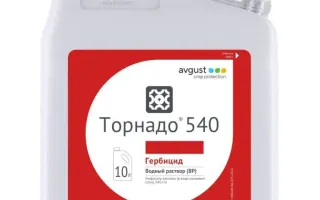
Tornado
ЗАТ Фірма Август, Росія.,селище Вурнари,
From your browsing history
57.8K 8 offers
0.8 €за 1 л ≈ 41 ₴

Comments · 0