

Description
Powdery mildew, caused by the fungus Erysiphe necator, is one of the most significant and widespread diseases affecting grapevines globally. Unlike downy mildew, this pathogen thrives in warm, dry weather conditions, although it requires high humidity for spore production. The fungus infects all green tissues, covering them in a white, powdery mycelial mat that disrupts normal plant respiration and photosynthesis.
The symptoms of the disease are easily recognizable in the field. Infected leaves exhibit white dusty patches that eventually turn gray. If the infection reaches the clusters, the fungus causes the berries to stop growing, leading to epidermis splitting. This rupture often exposes the seeds and creates an entry point for secondary infections such as Botrytis cinerea, which significantly worsens the quality of the grape crop.
The pathogen completes its life cycle by producing conidia, which are wind-dispersed, allowing the disease to spread rapidly across a vineyard during the growing season. In the winter, the fungus survives as mycelium within the dormant buds or as chasmothecia on the bark of the vines. This survival mechanism ensures that the disease will reappear in the following spring as soon as conditions become favorable.
The economic impact of powdery mildew is profound. If left uncontrolled, the disease can reduce yields by more than 50% and ruin the sensory qualities of wine made from affected grapes due to altered sugar profiles and must spoilage. Beyond yield loss, the disease stunts the growth of canes, potentially reducing the crop load for the subsequent year by weakening the overall vine vigor.
Integrated Pest Management (IPM) is essential for effective powdery mildew control. Strategies include:
- Canopy management: Pruning and leaf removal to increase air circulation and sun exposure.
- Sulphur-based applications: Utilizing preventative dusting or liquid sprays of sulphur.
- Systemic fungicides: Deploying fungicides from specific chemical classes at pre-bloom and post-bloom stages.
- Sanitation: Removing infected debris from the vineyard to reduce the initial inoculum load for the following season.
Контент-граф
Connections · Powdery mildew
Most often together:
Nutrient elements
1 связь
Marketplace
Products · 464
All 464
Grape 221
Fungicides 203
Rootstocks 11
Insecticides, Acaricides 6
Tulips 5
Biological Products 2
Pea 2
Herbicides, Desiccants 2
Carrot 2
Tomato 2
Raspberry, Strawberry 1
Lucerne 1


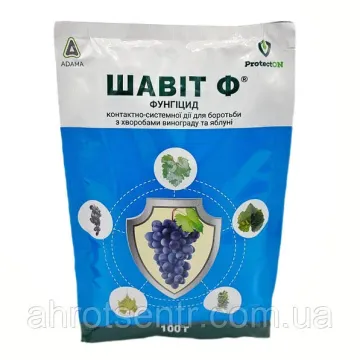
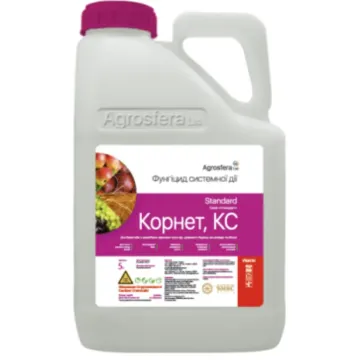

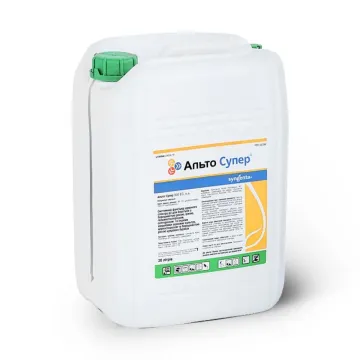


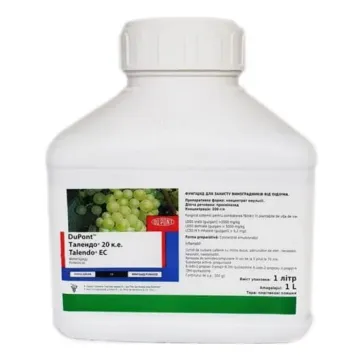






Strobitek
Санрайз Кемікалз Ко. Лтд., Шанхай, Китай
Fungicides
0
0
·
1.3K
13 offers
21 €за 1 л
Купить


Impal
Три Дельта Компані Інтернешнл, Гонконг, Китай.
Fungicides
0
0
·
974
5 offers
10.3 €за 1 л
Купить




Mitchell
China Chemical Industrial & Rice Co. Ltd
Herbicides, Desiccants
0
0
·
574
3 offers
8.7 €за 1 л
Купить




Community
Discussion
No discussions yet — be the first.