
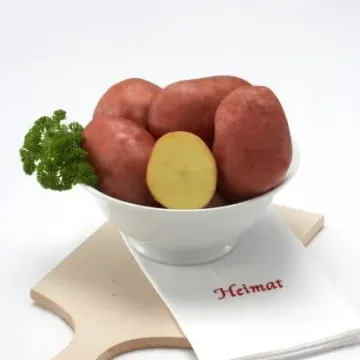
Description
Potato wart is a highly destructive quarantine disease caused by the obligate fungal pathogen Synchytrium endobioticum. It primarily affects the potato plant, causing severe physiological disturbances that manifest as abnormal cell proliferation, which significantly impacts agricultural productivity.
The characteristic symptom of the disease is the development of cauliflower-like galls on tubers, stolons, and stem bases. These galls begin as small, pale outgrowths but eventually darken and decay, turning into a blackened, rotten mass by the time of harvest or during storage, rendering the tuber completely unusable.
The pathogen thrives in cool, moist conditions, with the fungus spreading primarily through zoospores that require film water to migrate through the soil. The resting spores of the pathogen are incredibly resilient, capable of persisting in the soil for decades, which makes long-term management extremely challenging for farmers.
The economic impact of potato wart is substantial, as it leads to the total loss of marketable yields and imposes long-term quarantine restrictions on infested land. Because the fungus is soil-borne, even slight movement of contaminated soil can spread the disease to new regions, threatening large-scale potato production.
- Cultivation of resistant or immune potato cultivars as the primary defense.
- Implementation of strict quarantine regulations and land containment.
- Rigorous sanitation of farm equipment to prevent soil transport.
- Monitoring fields during the growing season for early detection.
Since there is no effective chemical cure to eradicate the fungus from the soil once established, prevention is the only reliable strategy. Integrated management, focusing on resistant cultivars and strict hygiene protocols, is essential to mitigate the risks associated with this persistent quarantine pathogen.
Контент-граф
Connections · Potato wart
Most often together:
Marketplace
Products · 705
All 705
Potato 630
Clover 35
Tomato 20
Soybean 8
Lucerne 3
Cucumber 2
Apple 2
Rapeseed 2
Cherry, Sour Cherry 1
Pepper 1
Blueberry 1


Pink Lady F1 / Pink Girl F1
Seminis Vegetable Seeds
Tomato
19
8
·
11.9K
7 offers
2.9 €за 1000 шт
Купить











Community
Discussion
No discussions yet — be the first.