
Description
The seed gall nematode, belonging to the genus Anguina, is a member of the order Tylenchida and the family Anguinidae. These microscopic organisms are specialized plant parasites that induce the formation of galls in the host plant tissues to facilitate their survival and reproduction.
The primary hosts for these nematodes are various cereal crops, most notably wheat, rye, and barley. The parasite typically targets the meristematic tissues and developing floral parts, leading to systemic structural changes within the plant organs.
The life cycle of the nematode is closely synchronized with the growth stages of the host plant. The larvae are known for their exceptional resistance to environmental stress, surviving in a dormant state within dried galls in the soil or stored grain until moisture triggers their re-activation.
The characteristic damage caused by Anguina involves stem twisting, leaf curling, and the replacement of seeds within the seed head with nematode galls. This leads to severe yield losses, reduced grain quality, and the overall weakening of the plant population in the field.
Management strategies focus on the use of nematode-free certified seeds and appropriate crop rotation practices. Other essential measures include deep tillage to bury infected plant debris, thorough weed control, and mechanical cleaning of grain to separate the galls from healthy seed kernels.
Biology
Taxonomy
- Latin name
- Anguina
- Order
- Nematodes
- Family
- Anguinidae
Taxonomy and Latin: EPPO Global Database · code ANGUSP
Контент-граф
Connections · Seed gall nematode
Most often together:
Marketplace
Products · 39


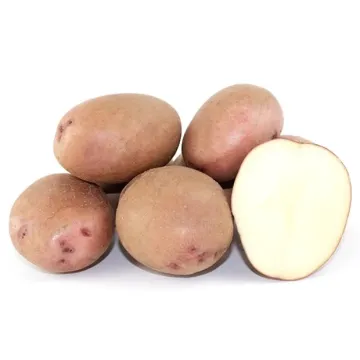


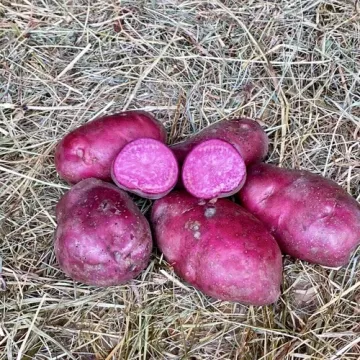
Polesky Rozovy / Poliska Rozhova
Polissia DS named after O.M. Zasuhin
Potato
0
0
·
58
4 offers
0.08 €
Купить





Community
Discussion
No discussions yet — be the first.