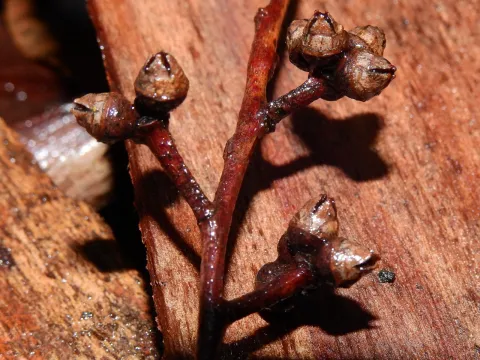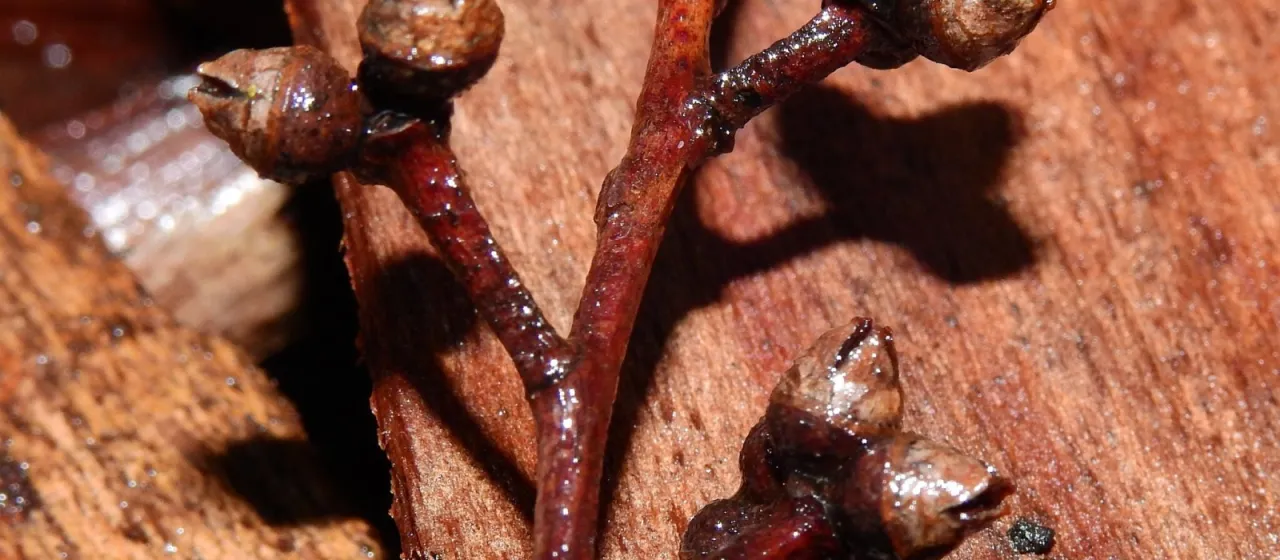
Description
Cabbage gum, scientifically known as Eucalyptus amplifolia, is a robust, evergreen tree belonging to the Myrtaceae family. This species is highly regarded in silviculture due to its rapid growth rate and ability to thrive in heavy, moisture-retentive soils where other eucalyptus species might struggle.
The tree is native to eastern Australia, specifically New South Wales. In its natural habitat, it is commonly found in lowland areas, floodplains, and the edges of swamps. This historical adaptation to wet environments makes Eucalyptus amplifolia an excellent choice for land reclamation projects and areas prone to periodic waterlogging.
Botanically, the species is characterized by its smooth, shedding bark and broad, cabbage-like juvenile leaves, which serve as the namesake for the common name. The adult leaves are glossy, dark green, and lance-shaped. The tree can grow to a significant height, forming a dense canopy that provides substantial shade and habitat for local biodiversity.
Regarding cultivation, cabbage gum requires a temperate to subtropical climate. While it is tolerant of heavy clay soils, optimal growth is achieved in deep, nutrient-rich soils with consistent moisture availability. Agricultural management includes ensuring adequate spacing for canopy development and monitoring for pests such as psyllids and wood-boring beetles that can impact wood quality.
The economic value of this tree is diverse. Its primary use is in the timber industry, where its wood is harvested for construction and fiber production. Additionally, it is frequently utilized for environmental services, such as soil stabilization along waterways and windbreaks to protect crops. Its ability to tolerate wet feet makes it a specialized crop for challenging, high-moisture agricultural sites.
Photo gallery