Description
Cider gum (Eucalyptus gunnii Hook. f.) is an evergreen tree belonging to the Myrtaceae family. It is widely recognized by botanists and horticulturists as one of the most cold-tolerant species within the Eucalyptus genus, capable of surviving in temperate climates that are generally unsuitable for other eucalyptus varieties.
The species originates from the island of Tasmania, where it is found in subalpine woodland areas and swampy plateaus. Due to its significant adaptability, it has been introduced across various temperate regions in Europe and North America, where it serves both as an ornamental plant and a fast-growing forestry crop.
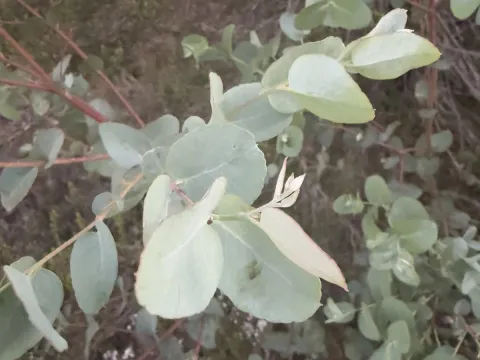
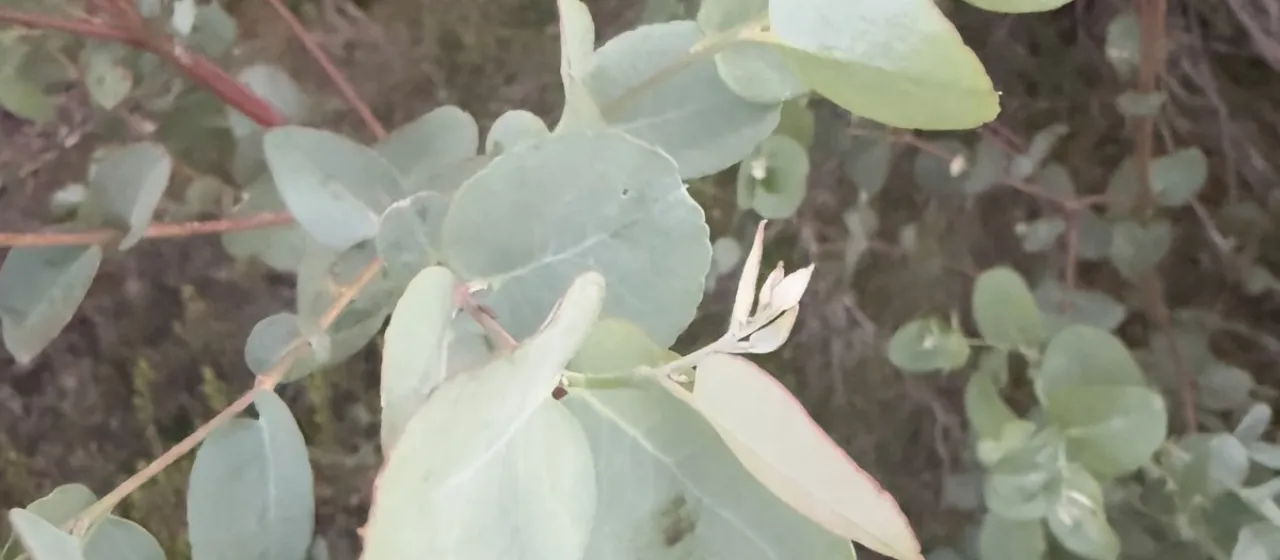
Botanically, this tree is characterized by its dramatic transition in foliage. The juvenile leaves are rounded, glaucous, and silvery-blue, while the adult leaves are longer, lanceolate, and deep green. The tree features smooth bark that peels away to reveal patches of cream, brown, and grey, contributing to its year-round visual interest in landscape architecture.
In terms of agricultural requirements, the Cider gum thrives in full sun and requires well-drained, acidic to neutral soil. While it has some tolerance for waterlogging, providing good aeration for the roots is critical for optimal growth. In colder regions, providing winter protection for young trees is recommended to prevent frost damage to the terminal buds.
The economic and practical applications of Eucalyptus gunnii include:
- Landscape and garden design, prized for its unique foliage and fast growth.
- Floral industry, as its juvenile stems are highly sought after for cut flower arrangements.
- Production of eucalyptus oil, which is used in pharmaceutical and antiseptic products.
- Site reclamation and drainage, as the tree consumes significant amounts of groundwater.
Typical plant health issues involve fungal infections such as powdery mildew or leaf spot, often exacerbated by high humidity and poor air circulation. While generally pest-resistant, aphids and scale insects may infest the foliage during the peak growing season. Maintaining proper spacing and pruning practices is essential to minimize these risks and promote long-term plant vigor.
Photo gallery